Maritime Industry

Virtual-First · At-Sea · Port · Offshore · 300+ Languages

Board-Certified Care at the Moment of Injury — Whether Your Crew Is At Sea, At Port, or Offshore.

Maritime workforces face the most extreme healthcare access challenge of any industry. A crew member injured at sea can be 200+ miles from the nearest qualified physician, speaking a language that isn’t English, in a time zone that isn’t yours. HealthcareLive delivers board-certified triage in less than 10 minutes., USCG-compliant drug screening, and complete benefits for shoreside workforces — integrated in one platform across every vessel, every port, and every shore operation in your fleet.

Board-certified triage <5 min

300+ languages for multinational crew

Jones Act documentation

Royal Caribbean — 4.5M+ lives covered

HealthcareLive · Fleet & Logistics Health

All routes covered

4,200

Crew on active coverage

47

Languages in use today

96%

USCG compliance rate

Active fleet — coverage status

MV Atlantic Pioneer — Caribbean Sea

T892 crew · Active triage case · Board-certified physician connected

Triage Active

MV Pacific Meridian — Pacific Ocean

644 crew · No active cases · Stretch & Flex session logged 0600

At Sea

MV Gulf Endeavor — Port of Houston

280 crew · Post-accident screen ordered · Collection in progress

At Port

Activity — current shift, all facilities

01:47
Shoulder injury — deck crew, MV Atlantic Pioneer · Triage initiated in Spanish · Board-certified physician connected in 4 min

Triage

01:51
Pre-shift Stretch & Flex session — MV Pacific Meridian engine crew · 44 crew · Tagalog + English

Prevention

01:49
Post-accident drug screen ordered — MV Gulf Endeavor · USCG Part 16 protocol initiated · Collection site confirmed

Compliance

05:45
Virtual urgent care — crew member non-emergency illness · Connected in 18 min · Prescription issued

Urgent Care

Maritime Industry

Virtual-First · At-Sea · Port · Offshore · 300+ Languages

Board-Certified Care at the Moment of Injury — Whether Your Crew Is At Sea, At Port, or Offshore.

Maritime workforces face the most extreme healthcare access challenge of any industry. A crew member injured at sea can be 200+ miles from the nearest qualified physician, speaking a language that isn’t English, in a time zone that isn’t yours. HealthcareLive delivers board-certified triage in less than 10 minutes., USCG-compliant drug screening, and complete benefits for shoreside workforces — integrated in one platform across every vessel, every port, and every shore operation in your fleet.

Board-certified triage <10 min

300+ languages for multinational crew

Jones Act documentation

Royal Caribbean — 4.5M+ lives covered

HealthcareLive · Fleet & Logistics Health

All routes covered

4,200

Crew on active coverage

47

Languages in use today

96%

USCG compliance rate

Active fleet — coverage status

MV Atlantic Pioneer — Caribbean Sea

T892 crew · Active triage case · Board-certified physician connected

Triage Active

MV Pacific Meridian — Pacific Ocean

644 crew · No active cases · Stretch & Flex session logged 0600

At Sea

MV Gulf Endeavor — Port of Houston

280 crew · Post-accident screen ordered · Collection in progress

At Port

Activity — current shift, all facilities

01:47
Shoulder injury — deck crew, MV Atlantic Pioneer · Triage initiated in Spanish · Board-certified physician connected in 4 min

Triage

01:51
Pre-shift Stretch & Flex session — MV Pacific Meridian engine crew · 44 crew · Tagalog + English

Prevention

01:49
Post-accident drug screen ordered — MV Gulf Endeavor · USCG Part 16 protocol initiated · Collection site confirmed

Compliance

05:45
Virtual urgent care — crew member non-emergency illness · Connected in 18 min · Prescription issued

Urgent Care

200+ mi

Typical offshore distance from the nearest qualified physician — a standard workplace injury that would take 10 minutes to triage onshore becomes a helicopter evacuation decision without virtual triage capability

300+

Languages commonly spoken on a large commercial or cruise vessel — creating a healthcare communication gap that causes misdiagnosis, missed symptoms, and employee trust failures unless your platform covers all of them

<10 Min

HealthcareLive board-certified triage response time from the moment of injury — at sea, at port, offshore, anywhere in the world with a satellite or cellular connection. No helicopter. No waiting for the next port call.

Jones Act

HealthcareLive has experience supporting healthcare coordination for maritime and offshore workers covered under the Jones Act, with an understanding of the unique medical and case-management needs involved in offshore injury care.

The Maritime Healthcare Problem

No other industry combines this level of physical risk with this level of healthcare inaccessibility.

Maritime workforces — on vessels, offshore platforms, and at busy port facilities — face a healthcare access problem unlike any other industry. The nearest qualified physician might be days away. The injured crew member might speak one of 50 languages. The injury documentation that protects you under Jones Act or USCG regulations starts the moment the incident happens — not when the ship docks, not when you reach HR, and not when a shore-based physician is eventually available.
Standard occupational health solutions don’t work for maritime because they’re built for employers where care is always accessible. HealthcareLive is built for employers where the distance between “injury happened” and “qualified clinician assessing it” can be measured in days — and every one of those days is liability, documentation gap, and crew trust erosion.

At-Sea Access Gap

The nearest ER may be a helicopter evacuation away

Commercial vessels operating offshore or in international waters have zero ground-level healthcare access for the duration of a voyage. A musculoskeletal injury that costs $300 with unlimited followups managed through virtual triage can cost $104,800 if it requires a medical evacuation and shoreside specialist visit with delayed treatment.

Jones Act Liability

Documentation from the moment of injury is not optional

The Jones Act creates a duty to provide immediate medical care to injured seamen — and the quality of your documentation from the moment of injury directly determines your liability exposure. A board-certified triage record created within 10 minutes of the incident is the foundation of your maintenance and cure defense.

Multinational Crew

Your crew speaks 40+ languages — your care provider may speak one

A Filipino deck engineer and a Ukrainian officer and an Indonesian cook all have the same right to understand their diagnosis, their care plan, and their options. Language-inaccessible care doesn’t just erode trust — it creates clinical errors, missed symptoms, and documented consent failures that have legal consequences.

USCG Compliance

46 CFR Part 16 drug testing has no flexibility window
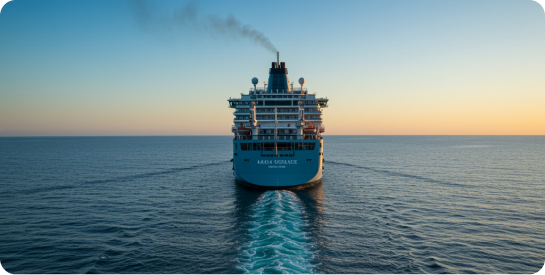
Post-incident drug testing requirements under USCG regulations are time-sensitive and documentation-specific. A vessel at sea or at a remote port that can’t initiate chain-of-custody documentation within the required window has a compliance failure — regardless of the test result — that can cost more than the incident itself.

The HealthcareLive Maritime Solution

Virtual-first care that works where no other platform does — with the compliance and language infrastructure maritime requires.

Board-certified triage in <10 minutes — anywhere with connectivity

Satellite, cellular, or port WiFi — when a crew member is injured, a board-certified specialist is assessing them before the captain finishes the incident report

300+ languages — every crew member assessed in their own language

Every triage, every urgent care visit, every care plan — delivered in the crew member’s first language. Filipino, Indonesian, Ukrainian, Romanian, Hindi, Arabic, and 290+ more

USCG 46 CFR Part 16 — drug testing with full chain of custody

Post-incident screens ordered from the same injury record — whether you’re at sea, at a port, or at a terminal. Chain-of-custody documentation starts at the injury report

Jones Act documentation — immediate, board-certified, defensible

Every HealthcareLive triage creates a timestamped, board-certified clinical record from the moment of injury. The documentation your legal team needs starts at T+5 minutes, not T+3 days

Complete benefits for shoreside and port workforces — April 1, 2026

Health, dental, vision, MSK care, wellness coaching, and urgent care for your port operations, terminal, and administrative workforce — on the same platform as your vessel healthcare program

At-Sea Injury Response

What happens when a crew member is injured
200 miles offshore — with HealthcareLive vs.
without it.

What happens when a crew member is injured 200 miles offshore — with HealthcareLive vs. without it.

This is the scenario every maritime employer needs to have answered before it happens. Not
when the vessel is in port, not when shore-based HR is reachable — at the moment of injury,
at sea, in the middle of a watch.
Without HealthcareLive
Offshore injury — no virtual triage platform available
Crew member injured — deck officer records incident in paper log
Captain attempts radio consultation with maritime medical advisory service — 45-minute wait
No definitive diagnosis possible without imaging — medical evacuation recommended
Helicopter medevac: $50,000–$150,000
Crew member spends 3 days in shoreside hospital — Jones Act maintenance and cure obligations running
Maintenance, cure, unearned wages: $30,000–$80,000+
Incident documentation assembled after the fact — gaps in care timeline used in Jones Act claim
Jones Act claim settlement: $200,000–$800,000+
Loaded cost: $104,800+ (excl. throughput loss)
With HealthcareLive
Same offshore injury — virtual triage initiated immediately
Crew member injured — incident documented in HealthcareLive platform from ship’s tablet

Board-certified specialist connected via satellite — triage completed in crew member’s language in under 10 minutes
Triage cost: $502 avg.

Clinical assessment: Grade I lumbar strain — conservative care pathway assigned, modified duty recommended. Medevac not required.
Virtual MSK care pathway initiated — crew member in active recovery protocol while vessel continues voyage
Complete clinical record available from T+5 minutes: diagnosis, care plan, specialist notes, follow-up protocol. Jones Act documentation complete. 83.6% of injuries resolved without outside care
Total cost: $502 avg. per injury
How At-Sea Triage Works

A board-certified specialist on video in under 10 minutes — from anywhere your vessel has a connection.

HealthcareLive Remote Injury Care operates on satellite, cellular, and broadband connections. The platform is designed for the bandwidth constraints of maritime operations — the video triage session does not require a high-bandwidth connection to function. When an injury happens at sea, the officer on watch opens the HealthcareLive app on any ship’s device, initiates a triage request, and is connected to a board-certified specialist in the crew member’s language before the watch log entry is complete.
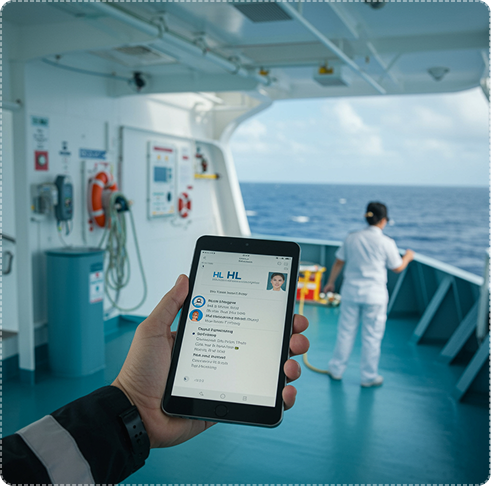
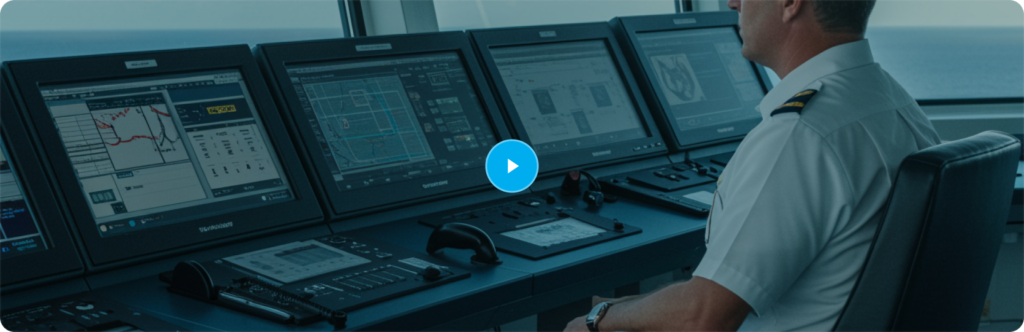
Incident documented — timestamp locked
Officer or crew member opens HealthcareLive on any connected device. Incident documented with mechanism, body zone, and injury type. Timestamp locked from this moment — Jones Act documentation begins at T+0.
T+0 min
Language selected — crew member assessed in their own language
The platform routes the triage request to a specialist available in the crew member’s first language — or provides real-time translation for any of 300+ languages. The crew member is never clinically assessed in a language they don’t understand.
T+1 min
Board-certified specialist connected — clinical assessment
A board-certified HealthcareLive specialist joins the video triage session. Full clinical assessment: mechanism of injury, range of motion, pain assessment, neurological screening where indicated. The specialist can order imaging, prescribe medication, or initiate a care pathway from the session.
T+5 min
Care pathway assigned — medevac decision made
Our telemedicine specialists provide recommended treatment, estimated healing/recovery time, and support to the medical team. 83.6% of injuries are resolved without outside care.
T+15 min
Documentation complete — Jones Act record ready
The completed triage record — timestamp, clinical assessment, specialist notes, care pathway, and follow-up protocol — is immediately available to the fleet operations team and HR in the employer dashboard. This is the documentation that protects the employer and provides the crew member with the care record they are entitled to.
T+15 min — record complete

All HealthcareLive Solutions — Maritime

Every product in the HealthcareLive platform, mapped
to maritime's specific healthcare and compliance
challenges.

Every product in the HealthcareLive platform, mapped to maritime's specific healthcare and compliance challenges.

HealthcareLive is a virtual-first platform. Every solution works from any connected device
,satellite, cellular, or port broadband , and supports 300+ languages for multinational
crews. On-site programs are available at your port facilities and highest-traffic terminals.

Core Maritime Product · Virtual-First
Remote Injury Care · Board-Certified Triage in <5 Min
The primary injury response platform for vessels at sea, offshore platforms, and remote port facilities. A board-certified specialist is on video with the injured crew member before the incident report is filed. Operates on satellite, cellular, or port WiFi.
At-sea deployment: works on any connected ship’s device — tablet, phone, or laptop. Satellite-bandwidth optimized. 300+ languages. Jones Act documentation created at T+5 minutes.
Learn More →
24/7 · Any Condition
Virtual Urgent Care · 24/7
For non-injury medical needs — illness, infection, dermatological, respiratory — crew members access a board-certified provider in under 20 minutes, in their language, from anywhere on the vessel. Eliminates unnecessary port-stop medical diversions for conditions that can be managed remotely.
At-sea use: crew illness and non-injury conditions managed virtually — avoiding medical diversions that cost $50,000–$200,000 per unscheduled port call.
Learn More →
MSK · Recovery · RTW
Virtual MSK & Muscle-Joint Care
Crew members with musculoskeletal injuries — back strain, shoulder injury, knee or wrist conditions — enter a fully virtual orthopedic care pathway managed by board-certified specialists. Recovery continues while the vessel continues operations. Crew member remains on board on modified duty wherever possible.
At-sea deployment: mymobility digital recovery app — no wearables or devices needed. Crew member follows their care pathway on their phone throughout the voyage.
Learn More →
Daily Prevention · Every Shift
Stretch & Flex · Daily Injury Prevention
Daily structured movement prevention sessions before every watch — reducing MSD frequency among deck crew, engine room teams, and galley workers. 300+ digital routines matched to maritime job roles. Led by an on-site specialist at your port facilities or delivered digitally on any connected device at sea.
At-sea deployment: digital library works on any ship’s device. Officers lead digital sessions at watch start. Role-specific routines for deck, engine, catering, and port operations roles.
Learn More →
Port & Terminal · On-Site
On-Site Programs · Port & Terminal Deployment
On-site specialist deployment at your busiest port facilities, marine terminals, and shipyard operations — delivering daily prevention sessions, immediate injury triage, ergonomic assessments, and return-to-work management at facilities with sufficient headcount and injury frequency to justify in-person deployment.
Maritime deployment: on-site at port / terminal (500+ workers). Virtual-first everywhere else — vessels, offshore, remote ports. One integrated platform across both.
Learn More →
USCG Compliant · 46 CFR Part 16
Drug Screening · USCG Maritime Compliance
USCG-compliant drug and alcohol testing for vessels, port operations, and offshore facilities — ordered through the same platform managing your injury triage program. Post-incident screens ordered from the injury record, chain-of-custody documentation starts at the moment of incident, collection coordinated at any US port with 20,000+ collection sites.
NUSCG specific: 46 CFR Part 16 pre-employment, random (50% annual), post-incident, reasonable suspicion, and return-to-duty programs. MRO review included.
Learn More →
Complete Benefits · Shoreside + Port Workforce
HealthcareLive Benefits Bundle — Health, Dental, Vision & More for Your Shore-Based & Port Workforce

Maritime employers with shoreside, administrative, and port operations workforces can now offer a complete benefits package — health, dental, vision, MSK care, wellness coaching, and Virtual Urgent Care — on the same HealthcareLive platform managing vessel injury care. One platform, one enrollment, one renewal. 

At-sea deployment: digital library works on any ship’s device. Officers lead digital sessions at watch start. Role-specific routines for deck, engine, catering, and port operations roles.

USCG & Jones Act Compliance

The regulatory compliance infrastructure maritime employers need — built into the platform, not bolted on after.

Maritime employers face a compliance environment unlike any other industry. USCG drug and alcohol testing requirements, Jones Act maintenance and cure obligations, MLC 2006 medical care standards for seafarers, and post-incident documentation requirements all run simultaneously — and all require a healthcare platform that creates defensible records at the moment of incident, not days later when documentation is assembled from multiple sources.

USCG Drug Testing — Covered Crew

CPre-employment, random (50% annual), post-incident, reasonable cause, and return-to-duty testing for officers and crewmembers on USCG-regulated vessels. HealthcareLive manages the full program with SAMHSA-certified labs and MRO review.

Full program management — all screen types

Marine Casualty Reporting — Post-Incident Documentation

USCG regulations require specific incident reporting for serious marine casualties — including injuries requiring medical treatment beyond first aid. HealthcareLive triage creates the board-certified medical record that establishes the care timeline from the moment of injury for Part 4 reporting purposes.

Board-certified record from T+5 min

Maritime Labour Convention — Seafarer Medical Care

MLC 2006 requires flag state vessels to provide adequate medical care onboard and ashore. HealthcareLive Virtual Urgent Care and Remote Injury Care satisfy the MLC requirement for immediate medical access — in the crew member’s language — regardless of vessel location.

MLC 2006 Standard A4.1 compliance support

Maintenance, Cure & Unearned Wages — Documentation

US maritime law entitles seamen to maintenance and cure following injury — and the employer’s obligation begins at the moment of injury. HealthcareLive creates the clinical record that establishes the injury timeline, the care provided, and the medical maximum improvement determination that defines the end of the cure obligation.

Construction-specific triage standards
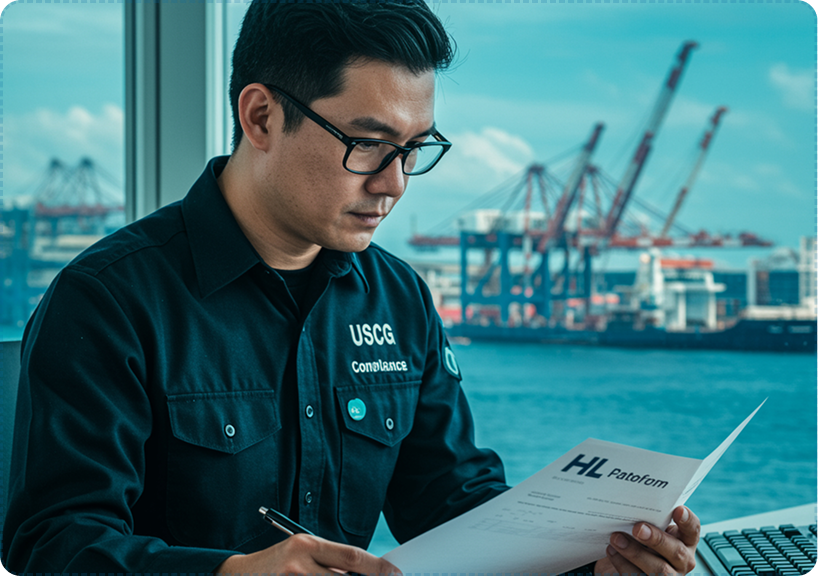
Jones Act Exposure — The Financial Reality

A Jones Act maintenance and cure claim without immediate, documented medical care is a liability exposure that starts at hundreds of thousands of dollars.

The Jones Act does not require negligence — it requires only that the seaman was injured in the service of the vessel. The employer’s obligation to provide cure (all necessary medical treatment) continues until maximum medical improvement is reached. Every day between the injury and the first documented medical assessment is a gap in the cure record — and a gap in the cure record is an argument for extended maintenance and cure obligations and punitive damages for failure to provide prompt medical care.
HealthcareLive creates the board-certified clinical record that begins the documented care timeline from T+5 minutes after the injury — not T+3 days when the vessel reaches port.

$500K+

Typical Jones Act claim with delayed/undocumented care

T+5 min

HCL documentation start — board-certified record

300+ Languages

Your crew speaks 40+ languages.
HealthcareLive covers every one of them —
so no crew member is ever clinically assessed
in a language they don't understand.

Your crew speaks 40+ languages. HealthcareLive covers every one of them — so no crew member is ever clinically assessed in a language they don't understand.

Language-inaccessible healthcare in a maritime context isn’t just an equity failure — it is
a clinical risk, a legal liability, and a crew trust issue that drives turnover. HealthcareLive
supports 300+ languages across every touchpoint of the platform.
Plus 284+ more languages — every crew member assessed in their first language across all HealthcareLive platform touchpoints, including triage, urgent care, MSK care, Stretch & Flex programs, and benefits enrollment.

Clinical accuracy — language errors in triage cause misdiagnosis

A crew member who cannot accurately describe the mechanism of their injury, their pain location, or their medical history in the language of assessment is at risk of misdiagnosis. HealthcareLive ensures every clinical interaction is conducted in the crew member’s first language — eliminating the error risk of assessed-in-translation healthcare at sea.

Legal defensibility — informed consent requires language access

A consent form signed in a language the crew member doesn’t read is not legal informed consent. A care plan delivered in a language the crew member doesn’t understand is not documented care. HealthcareLive creates consent records and care documentation in the crew member’s language — critical for Jones Act, MLC 2006, and port state control compliance.

Crew trust and retention — language-accessible care drives utilization
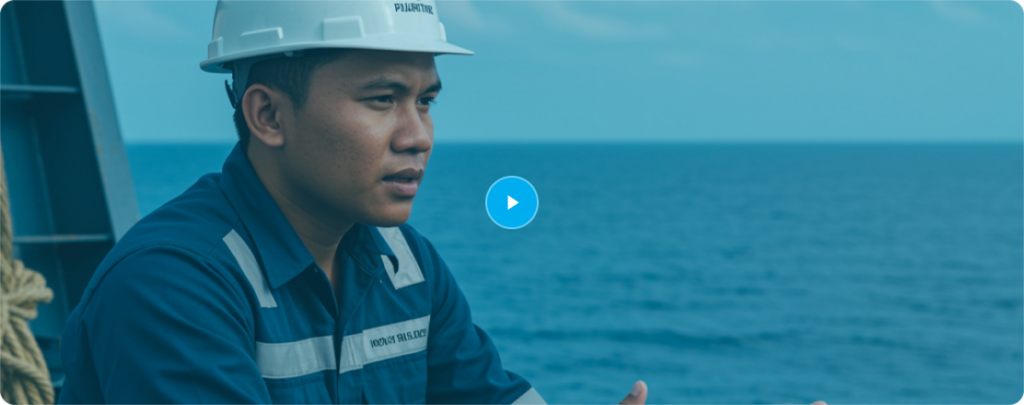
Crew members who know they can access care in their own language — for both injury and general medical needs — are more likely to report symptoms early, before conditions become serious. Early symptom reporting is the difference between a minor intervention and a medical evacuation. Language access is a retention tool and a safety tool simultaneously.

Maritime Sub-Sectors

HealthcareLive serves every segment of the
maritime industry — from deep-water
commercial shipping to port terminal
operations.

HealthcareLive serves every segment of the maritime industry — from deep-water commercial shipping to port terminal operations.

Each maritime sub-sector has its own injury profile, regulatory requirements, and
workforce characteristics. HealthcareLive’s platform adapts to all of them — virtual-first
for vessels and remote operations, on-site for high-volume port and terminal facilities.
Commercial Shipping

Very High Injury Risk + At-Sea Isolation
Bulk carriers, container ships, tankers, and general cargo vessels operating in deep water with multinational crews — the at-sea access gap is most acute for commercial vessels on long voyages far from any port. Remote Injury Care and Virtual Urgent Care are the primary care infrastructure for vessels at sea.
Remote Injury Care
Virtual Urgent Care
USCG Drug Screening
Jones Act Docs
300+ Languages

Cruise Industry

High Volume · Multinational Crew
Cruise vessels carry 1,000–5,000+ crew from 50+ countries — the language access challenge is most concentrated in this segment. HealthcareLive covers the crew wellness, injury triage, USCG drug testing, and benefits needs of both vessel crew and the massive shoreside operations teams supporting fleet management.
300+ Languages
Remote Triage
Crew Wellness
USCG Compliance
Benefits

Offshore Energy

Highest Injury Severity + Remoteness
Offshore oil and gas platforms and wind farm installations operate in extreme environmental conditions with the highest injury severity profile in the maritime sector. Medical evacuation costs are highest here — helicopter medevacs from deep-water platforms regularly exceed $100,000. Virtual triage and the medevac-avoidance decision framework are most critical for offshore operators.
Remote Injury Care
Medevac Decisions
Virtual MSK
PHMSA Compliance
On-Site at Shore Base

Port & Terminal Operations

Very High Physical Demand
Marine terminals and port facilities operate large, physically demanding workforces in high-injury environments — crane operations, container handling, and vehicle traffic create a concentrated MSD and traumatic injury profile. On-site specialist programs are deployed at the highest-volume terminals while the virtual platform covers all port facilities.
On-Site Programs
Stretch & Flex
Remote Injury Care
Drug Screening
Benefits

Marine Transportation & Inland Waterways

High USCG Compliance Burden
Tug and barge operators, ferry services, and inland waterway carriers operate under full USCG drug and alcohol testing requirements with smaller crews and tighter operational margins. The compliance burden per employee is disproportionately high — HealthcareLive manages the full USCG testing program with less administrative overhead than managing it through separate vendors.
USCG Drug Testing
Remote Triage
Virtual Urgent Care
Jones Act Docs

Commercial Fishing & Aquaculture

Highest Fatality Rate — US Industries
Commercial fishing has the highest fatality rate of any US industry — and the smallest margin for healthcare infrastructure. Small vessel operators with 10–50 crew often have the weakest healthcare safety nets. HealthcareLive provides board-certified triage on any satellite-connected device, USCG drug testing program management, and virtual care that doesn’t require a large-fleet budget.
Remote Injury Care
USCG Compliance
Jones Act Docs
Virtual Urgent Care

Maritime Outcomes

Documented results from maritime
employers using the HealthcareLive
platform — across vessels, ports, and
offshore operations.

Documented results from maritime employers using the HealthcareLive platform — across vessels, ports, and offshore operations.

Every figure reflects outcomes across HealthcareLive employer clients in maritime and adjacent
high-physical-demand industries, 2022–2025. Maritime-specific outcomes include at-sea triage
data and multi-language crew programs.

–90%

Direct medical spend reduction

$502 avg. per injury managed through HCL vs. $6,000+ industry average — and far less than a medical evacuation event

83.6%

Injuries resolved without outside care

In maritime context: 83.6% of at-sea injuries managed through triage without requiring port diversion, medical evacuation, or shoreside specialist referral

40%

Languages supported — crew and shore

Workers managed through HCL’s virtual MSK care pathway return to full duty 40% faster than the standard specialist referral pathway — reducing lost time, replacement labor cost, and project schedule impact

86.6

NPS — platform-wide

Industry outstanding benchmark = 70. 96% of employees recommend HealthcareLive — crew member trust in the platform drives early symptom reporting, which prevents escalations
Based on aggregate outcomes data across HealthcareLive employer clients, 2022–2025. Maritime-segment figures include Royal Caribbean and commercial maritime clients with active virtual triage and drug screening programs. ROI varies by fleet size, voyage profile, crew nationality mix, and injury frequency. Sources: HealthcareLive internal data; USCG data; Bureau of Labor Statistics; Maritime Labour Convention 2006.

Royal Caribbean Group

Cruise Industry · 4,200+ multinational crew across global fleet
“Managing healthcare for a multinational crew across a global fleet — in 47 languages, across 12 time zones, from any ocean in the world — required a platform that was built for this challenge from the ground up. HealthcareLive was the only platform that could do it.”

300+

Languages supported for multinational crew

<10 min

Triage response time — at sea, any ocean

96%

Crew recommend HealthcareLive to colleagues

Fleet Health & Safety Leadership

Royal Caribbean Group · Global Fleet Operation
A deck officer was injured 300 miles offshore at 3am. By the time I was notified, the triage was complete, the care pathway was assigned, and the documentation was in the dashboard. The board-certified record was timestamped 4 minutes after the incident. That is what we needed.”

Thomas Okonkwo

VP Fleet Safety, Commercial Shipping · 18-vessel fleet
“We put on-site specialists at our two 1,200+ worker terminals and the virtual platform at the smaller ports. The OSHA recordable rate dropped across all locations — not just the big ones. The virtual triage at the small ports got to injuries before supervisors decided to send people to the ER and make them recordable.”

Marcus Chen

Regional Safety Manager, Marine Terminal Operations

“Our legal team identified the Jones Act documentation gap as our largest unmanaged liability — the window between an offshore injury and the first dated medical record. HealthcareLive closed that gap. The board-certified triage record is timestamped within 5 minutes of every incident. That’s the documentation our maintenance and cure defense was built on.”

Linda Farouk

Director of Marine HR, Offshore Energy · 2,400 offshore workers

Maritime-Specific Questions, Answered

The objections Fleet Safety Directors, Marine HR teams, and Risk Managers raise before deploying HealthcareLive — addressed directly.

"We're at sea — connectivity is unreliable. How can a virtual platform work?"
HealthcareLive is designed for the bandwidth constraints of maritime satellite connections. The video triage protocol operates at low bandwidth — the platform does not require high-definition streaming to conduct a clinical assessment. We’ve completed triage sessions on VSAT connections in mid-ocean, on 4G at anchorage, and on port WiFi. For vessels with known connectivity dead zones, the platform also supports an asynchronous triage protocol where the officer documents the injury and uploads it for immediate specialist review at first connectivity. The key point: even a 15-minute connectivity delay means the triage happens 15 minutes after the incident — not 3 days after port arrival.
Low-bandwidth video protocol · VSAT compatible · Asynchronous option for dead zones · 15-min delay vs. 3-day delay
A Ship’s Medical Officer handles on-board emergency care — but they are typically a generalist, not a board-certified occupational health or orthopedic specialist, and they are managing the entire crew’s health needs simultaneously. A maritime medical advisory service provides radio consultation — asynchronous, delayed, and without the clinical documentation that the HealthcareLive platform creates. HealthcareLive is the triage, documentation, and care pathway platform that connects the SMO to board-certified specialist backup in under 5 minutes, creates the Jones Act and USCG-compliant clinical record in real time, and manages the crew member’s ongoing care pathway after the initial assessment. These are complementary capabilities — HealthcareLive extends what an SMO can do, rather than replacing them.
Extends SMO capability with specialist backup · Creates clinical record the SMO’s log doesn’t · Complements radio advisory services · Manages post-triage care pathway
HealthcareLive supports 300+ languages — including every primary maritime crew nationality language. Filipino/Tagalog, Indonesian, Ukrainian, Romanian, Hindi, Russian, Mandarin, Bengali, Arabic, Greek, Turkish, Portuguese, Burmese, Yoruba, Polish, and 285+ more. The platform routes each triage request to a specialist who speaks the crew member’s language, or provides real-time translation as a secondary layer. No crew member is assessed in a language they don’t speak. If your vessel has a language represented that you believe might not be covered, contact us — we will confirm coverage before you deploy. We have not encountered a major maritime crew nationality language that is not supported.
300+ languages · Routes to language-matching specialist · Real-time translation as secondary · Covers all major maritime crew nationalities
USCG post-incident drug testing requirements apply to vessels in US waters — not in international waters. However, the incident documentation that supports the drug testing protocol must begin at the moment of the incident, regardless of vessel position. HealthcareLive creates the incident record and initiates the drug testing documentation from the moment of injury. When the vessel reaches a US port (or the crew member is disembarked at any US location), the post-incident screen is ordered from the same incident record with the original timestamp — the chain-of-custody documentation that began at sea is continuous through to the collection event at port. For vessels that never call at US ports, USCG testing requirements may not apply — but MLC 2006 requirements do, and HealthcareLive supports those regardless of flag state.
Incident documentation starts at sea · Chain of custody continuous to port collection · MLC 2006 support for non-US flag vessels · USCG requirements triggered at US port arrival
Yes — and this is one of the most significant operational advantages of HealthcareLive for maritime employers. The same employer dashboard manages vessel triage, port facility programs, USCG drug testing compliance, and shoreside employee benefits on one platform. Your fleet safety director and HR team have one login, one compliance dashboard, one documentation trail, and one reporting view across all 40 vessels, every port facility, and every shoreside operation. When you add the Benefits bundle launching April 1, 2026, your 200 shore-based employees are enrolled in health, dental, vision, and MSK care through the same platform managing your fleet’s injury care. One vendor. One contract. One renewal.
One dashboard for fleet + shore · Vessel triage + USCG testing + port programs + Benefits in one platform · One contract, one renewal, one compliance view
HealthcareLive is built for the workforce structures of maritime employers — rotational crew, voyage-based contracts, seasonal fishermen, and port casual workers all present unique enrollment challenges. The platform supports flexible enrollment models: voyage-based coverage activation, rotational crew pools, and seasonal enrollment windows. USCG random pool management is maintained across crew rotations — the pool is adjusted when crew members rotate on and off, and the annual testing percentage requirements are maintained against the average size of the regulated crew pool during the year. For pre-employment screening, the platform is designed for fast-turnaround enrollment: a new crew member can be enrolled, screened, and covered before their first watch.
Aoyage-based coverage · Rotational crew pool management · USCG random pool maintained across rotations · Pre-employment screen before first watch

One Platform. All Solutions.

Every HealthcareLive product available to
maritime employers — on one platform, with
one contract, managed through one employer
dashboard.

At-sea · At-port · Offshore · 24/7

Remote Injury Care

Board-certified triage in under 10 minutes — Jones Act documentation from T+5 min. The primary injury management platform for any vessel, offshore platform, or remote port facility.

24/7 · Any condition · 300+ languages

Virtual Urgent Care

Crew illness and non-injury conditions managed virtually — eliminating unnecessary medical port diversions for treatable conditions. Provider in under 20 minutes, in the crew member’s language.
MSK · Recovery · Modified Duty

Virtual MSK & Muscle-Joint Care

100 digital care pathways for musculoskeletal injuries — managed from any connected device throughout the voyage. Crew member recovers while vessel continues operations.
Prevention · Every Watch · Digital

Stretch & Flex Programs

Daily movement prevention before every watch — deck, engine, catering, and terminal roles covered. 300+ digital routines, early symptom detection, and fleet-wide participation tracking.
Port · Terminal · Highest Volume Sites

On-Site Programs

Dedicated specialist deployment at your highest-volume port and terminal facilities — daily prevention sessions, immediate triage, ergonomic assessment, and RTW management in person.
USCG · 46 CFR Part 16 · MRO Included

Drug Screening & USCG Compliance

Full USCG drug and alcohol testing program — ordered from the injury record, chain of custody from incident timestamp, SAMHSA-certified labs, MRO review included.

Shoreside + Port

HealthcareLive Benefits

Health, dental, vision, MSK care, wellness coaching, and urgent care for your port and shoreside workforce — on the same platform as your vessel healthcare program. One enrollment, one renewal.

Prevention · Every Watch · Digital

Stretch & Flex Programs

Daily movement prevention before every watch — deck, engine, catering, and terminal roles covered. 300+ digital routines, early symptom detection, and fleet-wide participation tracking.

SOC2 Type II

HIPAA Compliant

OSHA 300 / 300A

SAMHSA-Certified Labs

300+ Languages

86.6 NPS Score

Virtual-First · Any Shift

Talk to a Maritime Specialist

Get a fleet coverage plan, USCG compliance review, and Jones Act documentation audit — before your first conversation with our maritime team.

In a 30-minute call, a HealthcareLive maritime specialist will review your fleet structure, crew nationality mix, USCG regulatory obligations, current injury documentation process, and shoreside workforce benefits status — and build a deployment recommendation and ROI model before the call starts.

Fleet coverage plan — vessel, port, and offshore

Which vessels need virtual triage coverage, which port facilities qualify for on-site deployment, and how to structure USCG testing across a rotational crew — built on your fleet profile.

USCG compliance review + Jones Act documentation audit

Review of your current USCG drug testing program structure, post-incident documentation process, and Jones Act exposure from undocumented at-sea injuries. Completed before the call..

Crew language profile + coverage confirmation

Confirm that every crew nationality represented in your fleet is covered by the HealthcareLive 300+ language network — before you deploy, not after the first language-inaccessible triage event.

Maritime Healthcare & Compliance Benchmark Guide

USCG testing requirements by crew type, Jones Act documentation best practices, MLC 2006 medical care standards, and maritime injury cost benchmarks by sector — sent after the call.

Talk to a Maritime Specialist

In a 30-minute call, a HealthcareLive maritime specialist will review your fleet structure, crew nationality mix, USCG regulatory obligations, current injury documentation process, and shoreside workforce benefits status — and build a deployment recommendation and ROI model before the call starts.

No spam. HIPAA & SOC2 compliant. We’ll build your fleet coverage plan, USCG compliance review, and crew language confirmation before the call — so the first conversation is immediately productive.
The Injury at Sea That Doesn’t Become a Medevac Doesn’t Become a Jones Act Claim.

Put a Board-Certified Specialist on Every Vessel, Every Platform, Every Port — Before the Next Incident Happens at Sea.

HealthcareLive delivers what maritime employers have never had before: a clinical platform that works where maritime workforces actually work — at sea, offshore, at remote ports — in the languages their multinational crews speak, with the USCG compliance infrastructure and Jones Act documentation the regulatory and legal environment demands. The maritime specialist call is 30 minutes. Your fleet coverage plan, USCG compliance review, and crew language confirmation are ready before you walk in.
Trusted by Royal Caribbean · Berkshire Hathaway · Volvo · Coca-Cola · Caterpillar · Energizer
Scroll to Top