Your Night-Tour Crew Has a Man Down on a Remote Pad Site. The Nearest Trauma Center Is 110 Miles Away. Your Company Man Goes to Voicemail.
Oil and gas workers face a fatality rate 7 times the national average — on pad sites in the Permian where the nearest hospital is two hours away, on offshore rigs where a medevac costs $150,000, and on night tour when every decision falls to a crew chief with no clinical training. HealthcareLive puts a board-certified physician on the line in under 5 minutes, wherever your crews are drilling.






The Most Dangerous Workforce in America Has the Least Occupational Health Coverage in the Field.
When a roughneck gets struck by a tong on the rig floor at 2am in the Permian Basin, the company man on location has to make clinical decisions he was never trained to make: Is this a medevac-level event? Can this worker be moved? Is this spinal or just a soft tissue injury? Should we wait for morning or call 911 now? Every wrong answer carries legal, clinical, and human consequences that follow the employer for years.
When a driller in the Haynesville hits an H&sub2;S pocket at 4am on a sour gas well, the rig medic may or may not be on duty. The crew evacuates, someone collapses near the wellbore, and the nearest hospital with toxicology capability is 90 miles away. The antidote decision, the decontamination decision, and the transport priority decision all need to happen in the next four minutes — not when someone finally gets the safety manager on the phone.
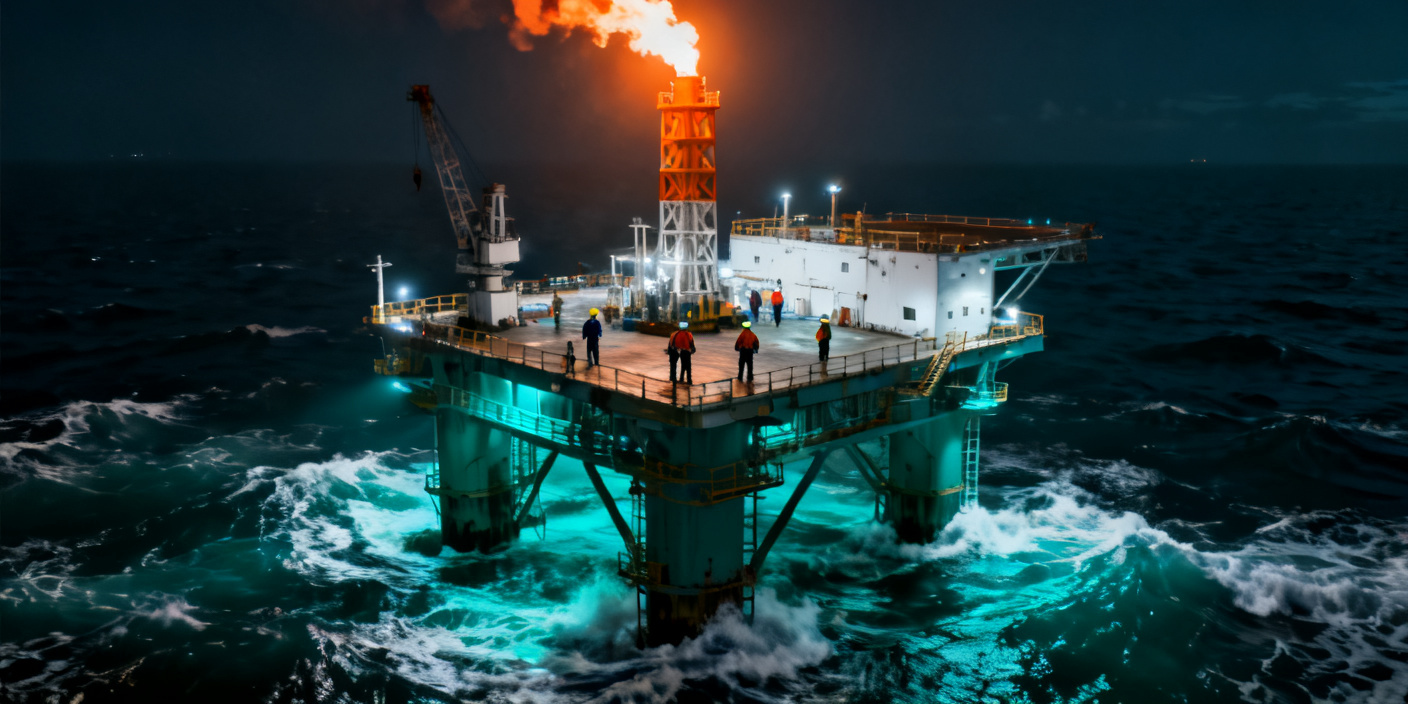
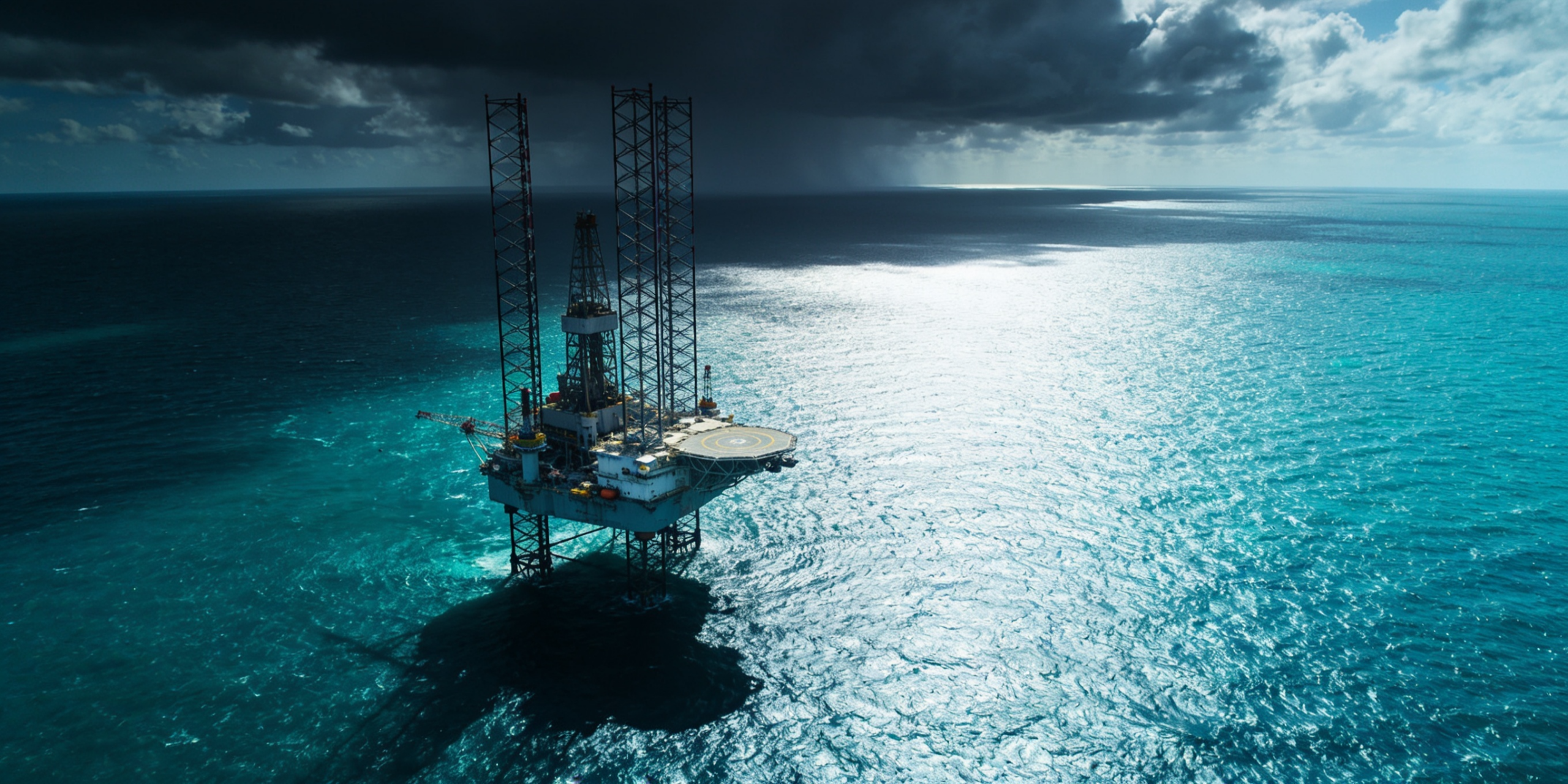
Offshore, the problem is compounded by cost and distance. A platform medic can manage routine injuries, but when a mechanic sustains a serious chemical burn during a turnaround and the closest shore facility is 100 miles by helicopter, the decision of whether to evacuate costs $150,000+. That medevac decision needs to be made clinically — not by default.
Whether Your Crew Is on a Pad in West Texas or a Platform in the Gulf — No Clinical Coverage After Hours.
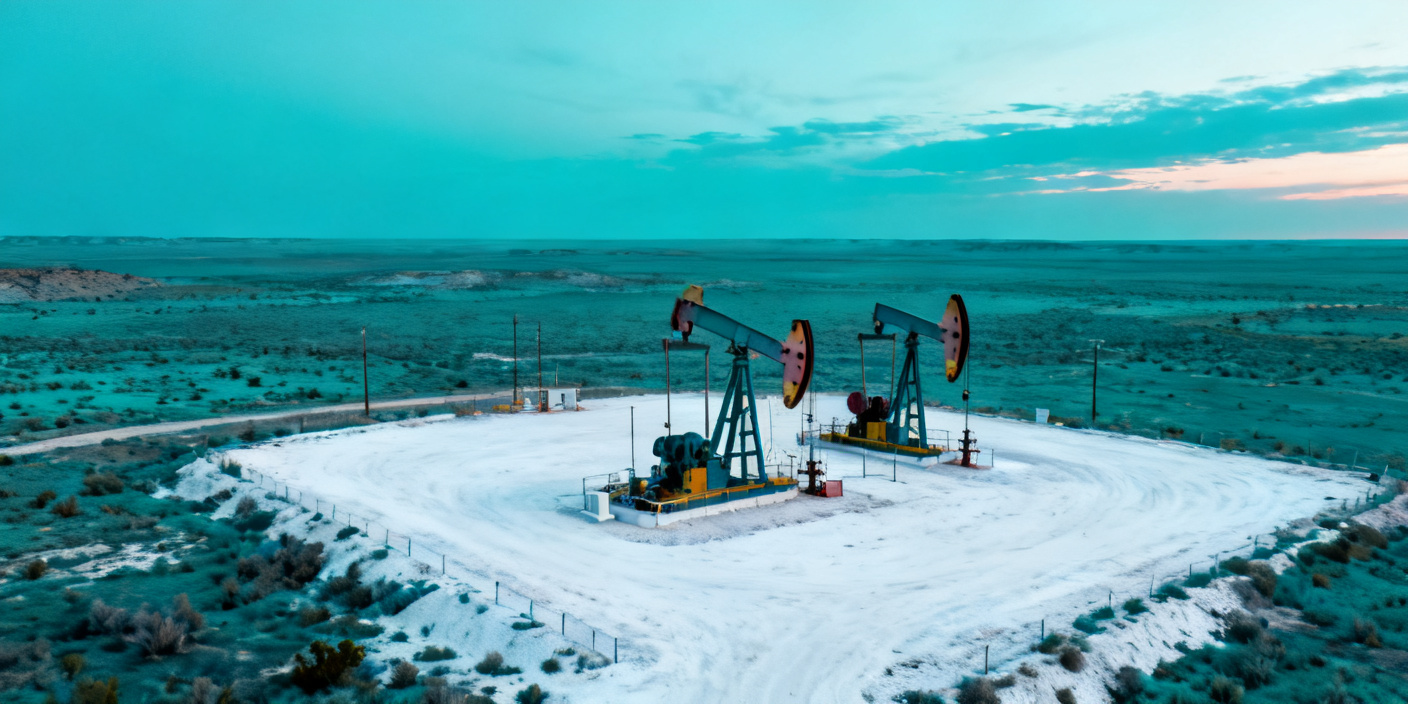
- ⚠️Average 110+ miles to nearest trauma center in major basins
- ⚠️Night tour: no safety manager, no occ health, no clinical guidance
- ⚠️H&sub2;S in sour gas formations kills within seconds
- ⚠️Oilfield service crews often have no employer occ health program
- ⚠️Extreme heat (Texas summer) and cold (Bakken winter) incidents
- ⚠️Medevac decisions made by default cost $150K–$400K per event
- ⚠️Platform medic scope limited — complex injuries need specialist guidance
- ⚠️Helicopter transport in bad weather creates secondary risk
- ⚠️Chemical exposure events on production platforms need immediate occ med
- ⚠️BSEE incident reporting requirements are time-sensitive
Struck-By to Blowout — Every Risk Your Crews Face, Covered 24/7.
Oil and gas injuries are uniquely severe, uniquely remote, and uniquely time-sensitive. Each category requires specialized occupational medicine expertise — not a general urgent care provider who has never evaluated a rig floor struck-by or an H&sub2;S inhalation event.
From the Permian to the GOM — One Number, Any Rig, Any Shift, Under 5 Minutes.
The occupational health coverage your drilling crews need doesn't require a clinic in every remote basin county or a platform medic upgrade on every jackup. It requires a platform that reaches your crews wherever they're working, with the clinical expertise specific to oilfield injury types, available 24 hours a day on any device with cell signal.
HealthcareLive's oil and gas-experienced physicians understand the difference between a traveling block struck-by and a routine back strain, between a routine H&sub2;S monitor alarm and a true high-concentration exposure event. They speak the language of the rig floor — they know what a kelly bushing is, what a well kick sounds like, and what the driller needs to hear in the first 60 seconds of a call.
Every Occupational Health Service Your Drilling Operations Need — From Pad Site to Platform.
Upstream, Midstream, Offshore, Services — One Platform for the Entire Oil & Gas Workforce.
Your Drilling Crews Work in the Most Dangerous Conditions in America. Get Them the Coverage They Deserve — Before the Next Night-Tour Incident.
HealthcareLive's oil and gas team works specifically with E&P operators, oilfield services companies, and offshore drilling contractors to build occupational health coverage programs that actually reach field crews — at the rig, on night tour, in the basins where you operate.
We'll build the demo around your operation: your active basins, your rig count, your primary injury types, and your current coverage gap. We'll walk you through exactly how HealthcareLive handles your most common after-hours incident type — from the first call to the OSHA 301 being completed.
Your Night-Tour Crews Deserve a Physician on the Line in 5 Minutes — Not a 110-Mile Drive to the Nearest ER.
HealthcareLive delivers board-certified occupational medicine to oilfield crews wherever they're drilling — remote pad sites in the Permian, jackup rigs in the Gulf, fracking fleets in the Eagle Ford. 24/7, no on-call fees, under 5 minutes. Because waiting until morning was never a clinical protocol.