Airlines DemoAirlines Demo - HealthcareLive
Ramp & Ground Operations · Aircraft Mechanics · Cabin Crew · Flight Crew

Your Ramp Agent Is Hurt at 2am at a Spoke Airport. Your Airline Operates at 140 Locations. Your Occ Health Covers Maybe a Dozen.

Airline ramp workers have one of the highest injury rates of any occupation in the US. Your airline operates around the clock at dozens of airports where no occupational health resource exists after hours. HealthcareLive gives every ramp agent, every aircraft mechanic, and every cabin crew member the same-shift care that your hub airports get — at every station, every shift, everywhere you fly.
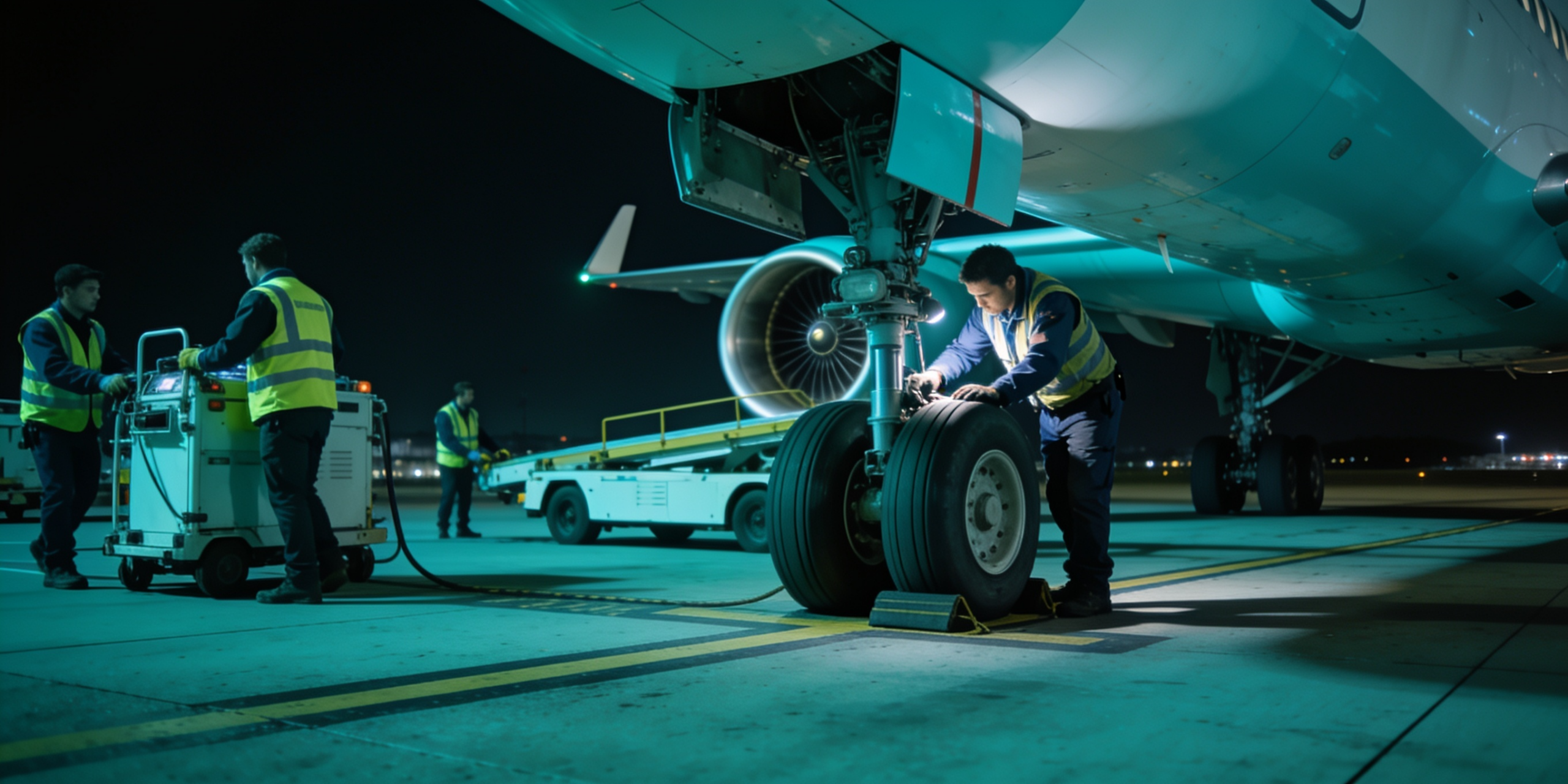

Airlines & Aviation Hero Banner
Higher injury rate: ramp agents vs. all private industry
140+
Airports the average network carrier serves
1,000+
Aviation workers injured by turbulence each year in the US
24/7
Flight ops — zero occupational health at most spoke airports after 5pm
✈️
Airline ramp workers sustain injuries at 3 times the rate of the average US private-sector worker — making the airport ramp one of the most dangerous workplaces in the American service economy. Yet most airlines have occupational health coverage at fewer than 10% of the airports they serve. HealthcareLive closes that gap at every station.
BLS & OSHA Data
Trusted by Hospitality & Service Industry Employers Across the United States
Royal Caribbean
Carnival Cruise Lines
Chewy
Coca-Cola
Unilever
Comfort Systems USA
BD (Becton Dickinson)
The Problem Airlines Face

One Airline. 140 Airports. Occupational Health at Maybe 12 of Them.

A network carrier operates daily flights at 140+ airports across the country. At the five or ten largest hubs, there's a dedicated occupational health clinic nearby, an HR team on site during business hours, and a workers' comp program with clear protocols. At the other 130 stations, a ramp agent who gets hurt at 2am during the overnight cargo sort has one option: drive to the nearest urgent care that opens at 8am, wait, pay a copay, and come back to work with an ER record that nobody managed at the time of the injury.

That's not a coverage program. That's a gap that costs the airline a workers' comp claim every time. HealthcareLive closes the coverage gap at every station, every shift, without requiring a clinic at each airport — because all it takes is one number, any device, and a board-certified physician on the line in under five minutes.

For ground handling contractors — Swissport, Menzies, dnata, and the regional ground handlers who staff the majority of US airline ramp operations — the problem is even more acute. These companies often have no occupational health program at all beyond what's legally required, and their workers face some of the highest injury rates of any workforce in the country.

✈️ The Scale Problem
"A major carrier's occupational health program covers its hubs. Its ramp agents at 130 spoke airports work the same overnight shifts, handle the same heavy bags, and face the same equipment hazards — with zero clinical coverage after hours. HealthcareLive is the only platform built to scale occupational health across an airline's entire network."
🧳
Ramp agent injury rate vs. all private industry
Baggage handlers and ramp agents sustain injuries at 3 to 4 times the rate of the average US worker. Back strains from heavy luggage, struck-by from ground support equipment, and slips on wet ramp surfaces account for the majority of claims.
💸
$34K
Average ramp worker WC claim cost
Ramp worker WC claims are expensive because the injuries are physical, the recovery requires time away from demanding manual work, and delayed triage at spoke stations extends claim duration by an average of 11 days compared to hub-based incidents with immediate occ health access.
🛫
1,000+
Turbulence injuries to aviation workers per year
Unexpected turbulence events injure flight attendants and other aircraft crew at a rate of 1,000+ annually in the US. These in-flight injuries often go clinically unmanaged until the flight lands and the crew member can access care — frequently hours after the injury.
🔧
4.1
OSHA recordable rate per 100 workers — airline industry
The airline industry's OSHA recordable rate significantly exceeds the national private-sector average of 2.7. Ramp and ground operations are the primary driver, with rates as high as 6-8 per 100 workers at major ground handling operations.
📊
10%
Of network airports with occ health coverage after hours
Most network carriers have formal occupational health programs at their major hubs. The remaining 90%+ of their station network operates with no clinical coverage after 5pm — creating a systematic coverage gap that drives WC costs, extends claim duration, and leaves workers undertreated.
🧳 The Ramp Crisis
The Airport Ramp Is One of America's Most Dangerous Workplaces. It Just Doesn't Make the News.
The airport ramp combines heavy physical labor, moving equipment, jet blast, fuel vapors, weather extremes, and time pressure into one of the most injury-dense work environments in the US economy. A ramp agent handles an average of 4 tons of luggage per shift — lifting, throwing, and stacking bags that regularly exceed 70 lbs in a bent-over posture in aircraft cargo holds that are never designed for human ergonomics.
Ground support equipment — baggage tugs, belt loaders, aircraft pushback tractors, fuel trucks, and catering lifts — operate in tight spaces around aircraft in weather conditions from sub-zero North Dakota winters to Texas summer heat. GSE-related struck-by incidents are the leading cause of ramp fatalities and produce some of the most severe, most time-sensitive trauma injuries in aviation occupational health.
And the workforce is often a contractor workforce — employed by Swissport, Menzies, dnata, or a regional handler — with minimal benefits, high turnover, and occupational health programs that amount to a poster on the break room wall and a workers' comp insurer's phone number.
Occ Health Coverage: Typical Network Carrier
Total airports served 142
With occ health near hub 17
With after-hours occ health 7
• 135 stations — 95% of the network — have zero occupational health coverage when a ramp agent gets hurt at 11pm on the overnight sort.

• HealthcareLive closes this gap at every station simultaneously, with no per-location setup cost.
Unique to Aviation

FAA Medical Certificates Create a Care Pathway That No General Occ Health Clinic Is Equipped to Navigate.

For pilots, flight engineers, and other aviation personnel with FAA medical certificates, a workplace injury or illness isn't just a workers' comp event — it's a potential grounding. The FAA medical certification system creates a regulatory overlay on occupational medicine that fundamentally changes the care pathway for any health event affecting flight crew.

A first officer who sustains a musculoskeletal injury and is prescribed a medication on the FAA's "do not fly" list by a general urgent care provider — without understanding the aviation medicine implications — may be inadvertently grounded for months. The care a pilot receives immediately after an occupational injury directly affects their FAA medical certificate status, their return-to-flight timeline, and in severe cases, their career.

HealthcareLive's physicians who work with airline clients understand the FAA medical certification system — including the classes of medical certificates, the conditions that require AME review, and the medications that affect flight duty status. Every treatment recommendation for flight crew considers the aviation medicine implications alongside the occupational medicine standard of care.

✈️ The FAA Medicine Difference
A general urgent care physician prescribes what's best for the injury. An aviation-aware HealthcareLive physician prescribes what's best for the injury and consistent with FAA medical certification requirements — keeping your crew healthy and your aircraft staffed.
FAA Medical Certificates — Flight Crew Complexity
First Class Medical
ATP / Airline Pilots
Required for airline transport pilots (captains). Highest standard. Renewed every 12 months under age 40, every 6 months over 40. Any injury affecting cardiovascular, neurological, or musculoskeletal systems triggers AME review.
⚠️ Injury without aviation-aware care can ground a captain for months
Second Class Medical
First Officers & SICs
Required for first officers and commercial pilots. Annual renewal. Medication restrictions apply — many commonly prescribed medications for pain, sleep, and anxiety are on the FAA "do not fly" list.
⚠️ Wrong medication prescription can ground a first officer immediately
Flight Attendant Duty Fitness
Cabin Crew
Flight attendants don't hold FAA medical certificates but must be "physically able to perform assigned duties." Injury documentation and duty restriction recommendations must be consistent with FAR 121 crew requirements.
⚠️ Incorrect duty restrictions cost airlines reserve staffing
Six Injury Categories Across the Aviation Workforce

Ramp to Cockpit — Every Risk Type Your Aviation Workforce Faces, Covered 24/7.

Aviation occupational health is not a single injury profile — it's six very different workforce segments, each with their own hazard exposures, regulatory requirements, and care pathway complexities.

🧳
Highest Frequency in Aviation
Ramp & Baggage Handling Injuries
Baggage handlers load and unload an average of 4 tons of luggage per shift in a stooped posture inside aircraft cargo holds that are not designed for human beings. Back injuries, shoulder strains, and repetitive motion disorders from baggage handling account for the majority of airline workers' comp costs — and they happen on every shift, at every station, including the 130 spoke airports where no occ health coverage exists after hours. HealthcareLive's orthopedic physicians triage these injuries at the time of the event, issue same-shift modified duty plans, and prevent the overnight back strain from becoming the two-week WC claim.
HealthcareLive Response
Orthopedic triage at point of injury → First aid vs. medical treatment determination → Modified duty plan before shift ends → OSHA 301 documentation → Virtual PT coordination → RTW tracking
🚜
Leading Cause of Ramp Fatalities
Ground Support Equipment Injuries
Baggage tugs, belt loaders, aircraft pushback tractors, fuel trucks, de-icing rigs, and catering lifts operate in the most congested, most time-pressured vehicle environment in American industry — the airport ramp. GSE-related struck-by incidents produce some of the most severe trauma injuries in aviation — crush injuries, extremity trauma, head injuries, and pedestrian-vehicle incidents that require immediate emergency medicine assessment of transport priority, stabilization needs, and spinal precautions. These events happen at the most remote stations and the most inconvenient hours.
HealthcareLive Response
Emergency physician <5 min → Trauma assessment → Spinal precaution guidance → Transport decision → EMS coordination → OSHA 301 initiated immediately
⛈️
1,000+ Aviation Workers Annually
Turbulence & In-Flight Crew Injuries
Unexpected turbulence is the #1 cause of in-flight injury to flight attendants — producing head injuries from overhead bin impacts, spinal injuries from sudden seat drops, fractures from falls in the galley, and shoulder injuries from bracing impacts. Most turbulence injuries go clinically unmanaged for 2-6 hours while the flight continues to its destination and the crew member waits for landing before seeking care. HealthcareLive allows the crew member (or the purser coordinating with the captain) to connect with a physician in-flight, receive clinical guidance on injury severity, and document the event for OSHA recordability determination before landing.
HealthcareLive Response
In-flight or post-landing physician evaluation → Injury severity assessment → Spinal precaution guidance if indicated → Duty fitness determination → OSHA recordability determination → Documentation completed
🔧
High Severity, Complex Exposures
Aircraft Mechanic & AMT Injuries
Aviation maintenance technicians work on elevated aircraft stands, in cramped wheel wells, inside fuel tanks, and around running engines — combining fall-from-height risk, confined space hazards, and chemical exposure in a single job classification. Skydrol hydraulic fluid exposure causes severe chemical burns to skin and eyes that require immediate irrigation and occupational medicine evaluation. Fuel cell entry creates acute hydrocarbon inhalation risk. And AMTs' hearing health is a specialized area of occupational medicine given the continuous noise exposure from engine testing and hangar operations.
HealthcareLive Response
Chemical exposure protocol → Skydrol / fuel exposure evaluation → Fall-from-height trauma assessment → Confined space post-rescue guidance → Hearing health referral → OSHA documentation
🧊
Cold Weather & Heat Illness
Weather & Environmental Exposure
Ramp workers operate entirely outdoors in whatever weather is happening — Chicago winters at O'Hare, Houston summers at IAH, and monsoon rains at PHX. Ramp frostbite in northern hub cities is a documented occupational injury that rarely gets the clinical management it deserves because there's no physician available at the overnight cargo ramp at 3am in January. Heat exhaustion and heat stroke during summer peak operations at southern stations create parallel urgency. HealthcareLive's physicians can assess frostbite severity, guide warming protocols, and determine transport need — before the decision gets made by a supervisor without clinical training.
HealthcareLive Response
Heat stroke vs. exhaustion determination → Frostbite grading → Warming / cooling protocol → Transport decision → Station crew rotation recommendations → Hydration and acclimatization guidance
☣️
Seasonal Peak Risk
De-Icing, Fuel & Chemical Exposure
De-icing fluid (propylene glycol) exposure, aviation fuel inhalation, and hydraulic fluid (Skydrol) contact are the primary occupational chemical exposures in aviation ground operations. De-icing crew members work in enclosed de-icing pads with concentrated glycol vapor exposure during winter operations. Fueling agents handle jet-A fuel with chronic skin and inhalation exposure. AMTs face Skydrol chemical burns. Each exposure type requires specific occupational medicine evaluation and documentation that a general urgent care provider rarely encounters. HealthcareLive's physicians know the aviation chemical exposure profile and apply the correct protocol every time.
HealthcareLive Response
Chemical-specific occupational medicine protocol → Decontamination guidance → Respiratory and skin exposure assessment → Baseline health documentation → OSHA exposure record → Follow-up monitoring
How HealthcareLive Covers Your Entire Network

One Platform. Every Station. Every Shift. From ATL to BZN.

The conventional approach to airline occupational health scales by clinics — you add coverage where you have enough employees to justify a clinic contract. That approach covers your top 10 hubs. It leaves 130 stations with nothing. HealthcareLive scales differently: one platform, deployed once, covers every station on your network simultaneously because all it requires is one phone number and cell service.

For airline HR and safety leaders, the deployment model is straightforward: every station manager, every shift supervisor, and every lead agent gets the HealthcareLive number and a 20-minute training on how to use it. The first call does the rest — a board-certified physician on the line in under 5 minutes, managing the incident, documenting the case, and issuing the modified duty plan before the next departure banks.

1
Injury or Exposure at Any Station
Ramp agent, AMT, or cabin crew member is injured. Supervisor or worker calls HealthcareLive from any device — any station, any shift, any weather condition. One number. No clinic required.
→ Available at all 140+ airports simultaneously
2
Aviation-Aware Physician on the Line
Board-certified physician joins the call. For flight crew, they understand FAA medical certificate implications. For ramp crew, they understand aviation chemical exposures, GSE injury patterns, and ramp ergonomics. Not a script-reading triage nurse.
→ Under 5 minutes from first call
3
Clinical Guidance & Modified Duty Plan
Physician evaluates the injury, determines first aid vs. medical treatment, issues a modified duty plan appropriate for the worker's aviation role, and provides OSHA work-relatedness determination — all before the next departure bank.
→ Same-shift clinical management
4
OSHA Documentation Before the Crew Debriefs
OSHA 301, work-relatedness determination, exposure record, and any regulatory notifications in the employer dashboard before the shift supervisor writes the incident report. No documentation lag. No Monday morning paperwork.
→ Same-incident documentation, every station
📍 Real Scenarios at Real Stations
ORD
Chicago O'Hare
2:14am
Ramp agent slips on icy tarmac during overnight sort. Back pain, unable to stand upright. Supervisor doesn't know if this is a transport situation.
→ HL physician on in 4 min. Back strain confirmed, no spinal concern. Modified duty issued. OSHA 301 complete before crew debrief.
BZN
Bozeman Yellowstone
11:45pm
AMT sustains Skydrol splash to both forearms during hydraulic line repair. Nearest urgent care is 40 minutes away and closed until 7am.
→ Chemical exposure protocol activated. Decontamination guidance provided. Severity assessed remotely. Follow-up monitoring scheduled.
IAH
Houston Intercontinental
3:20pm
First officer reports after an overnight long-haul. Mild back strain on descent. Station medic wants to prescribe a muscle relaxant. Crew scheduling wants her on the morning departure.
→ Aviation-aware physician confirms FAA-compatible treatment. Crew returns to line. No grounding. Certificate intact.
BUF
Buffalo Niagara
6:40am
De-icing crew member completes a 4-hour overnight de-ice operation. Reports headache and nausea consistent with glycol vapor exposure in the de-ice pad.
→ Inhalation exposure evaluation. Symptom assessment. Return-to-work determination. OSHA exposure record documented same shift.
HealthcareLive for Airlines & Aviation

Every Occupational Health Product Your Aviation Workforce Needs. Deployed Across Your Entire Network.

🧳
Most Critical for Airlines
Network-Wide Ramp & Station Coverage
24/7 board-certified occupational medicine coverage at every station your airline serves — not just the hubs. Ramp injuries, GSE incidents, chemical exposures, and weather events at spoke airports get the same immediate physician response as your flagship hub. One platform, 140 airports, zero per-station setup cost.
Remote Injury Care →
✈️
Aviation Medicine Expertise
Flight Crew FAA-Aware Care
Occupational medicine evaluation for pilots, first officers, and flight engineers that accounts for FAA medical certificate implications in every treatment recommendation. Aviation-aware physicians who understand the difference between a treatment that keeps a captain flying and one that grounds them for three months. Medication prescriptions FAA-compatible by default.
Specialty Care →
📊
Regulatory Compliance
OSHA Documentation & Analytics
Real-time OSHA 300/301 documentation, injury frequency trend reports by station, injury type analysis by aircraft type and operation, and chemical exposure records — all generated automatically from physician-completed triage records. Gives aviation safety directors the data to identify which stations, which shifts, and which operations are driving WC costs.
Employer Dashboard →
🏋️
Prevention
Stretch & Flex for Ramp Crews
Role-specific pre-shift conditioning programs designed for the physical demands of ramp work — addressing the back, shoulder, and wrist exposures from luggage handling, the cold weather musculoskeletal stiffness of winter ramp operations, and the fatigue postures of overnight shift work. 7-10 minute sessions. Any device. Before the first bag hits the belt loader.
Stretch & Flex →
🔬
DOT & FAA Compliance
Drug & Alcohol Testing
DOT/FAA-compliant pre-employment, random, post-incident, and reasonable suspicion drug and alcohol testing for safety-sensitive aviation employees. FAR 14 CFR Part 120 compliant. SAMHSA-certified testing, rapid results, digital chain of custody. Integrated with the same platform managing your injury triage and exposure records.
Drug Screening →
🧠
Aviation Workforce Wellbeing
Behavioral Health & Crew Support
Aviation is a psychologically demanding career. Circadian disruption, post-incident trauma, the isolation of long-haul operations, and the occupational stress of safety-critical decision-making create significant behavioral health burden for flight crew and operations staff. 24/7 psychiatric access and crisis support, integrated with the platform your workforce already uses for occupational health.
Behavioral Health →
Case Study
How a Regional Airline Reduced Workers' Comp Costs by 46% and Closed the Occ Health Gap at 38 Spoke Stations Simultaneously
A regional carrier operating 38 stations across the Southeast and Midwest had a workers' comp problem concentrated in their spoke stations: 76% of their WC costs were generated at the 31 stations where no occupational health coverage existed, even though those stations represented less than 40% of their total flight operations. Ramp injuries at spoke stations were being managed by supervisors who didn't know what to do, sent to local ERs at 2am, and generating WC claims that started without clinical documentation or modified duty plans.
HealthcareLive deployed across all 38 stations in 14 days. Every station manager was trained. Every ramp supervisor had the number. Within 60 days, the platform had managed 47 ramp incidents across 22 previously uncovered stations — incidents that would have become ER visits, untriaged claims, and days of lost work.
−46%
Total WC costs, 12 months post-deployment
14 days
Deployment across all 38 stations
−68%
ER utilization for ramp incidents at spoke stations
47
Incidents managed at previously uncovered stations in first 60 days
Our spoke stations were a blind spot. We knew it. Every time I'd fly into a smaller market and walk the ramp, I'd think about what would happen if someone got hurt here tonight — and the answer was always "they'd drive to urgent care in the morning, or the ER tonight, and we'd get a claim call on Monday." HealthcareLive changed that completely. Our station managers in those markets call it every time now. The agents trust it. And our WC spend in those markets dropped by more than half in the first year. That's not a vendor. That's infrastructure.
MB
Michelle B.
VP of People Operations & Safety, Regional Carrier
✈️ Airlines — 38 Stations, Southeast & Midwest Network
Every Segment of the Aviation Workforce

Network Carriers to Ground Handlers — One Platform for the Entire Aviation Industry.

🛫
Network & Legacy Carriers
Major airlines operating 100+ domestic and international stations with a mixed workforce of directly employed and contracted ground handling staff. The coverage gap at spoke stations is the primary driver of WC costs. HealthcareLive deploys across the full network simultaneously — the same platform that covers JFK covers BZN on Day 14.
Network coverageRamp injuriesFlight crew FAACabin crew
🛩️
Regional Airlines
Regional carriers operating under major airline code-share agreements at 20-80 smaller stations, often with thinner HR infrastructure and less occupational health investment than their major airline partners. Regional airlines have the same injury profile as network carriers with fewer resources to manage it. HealthcareLive scales to any network size.
Spoke coverageThin HR infraRamp injuriesCost efficiency
📦
Ground Handling Contractors
Swissport, Menzies, dnata, Prospect Airport Services, and regional ground handlers employing the majority of US airline ramp workers. Ground handlers often have the least occupational health infrastructure of any aviation employer and the highest injury rates. HealthcareLive gives ground handlers enterprise-grade occ health coverage that their airline clients increasingly require as a contract condition.
Ramp operationsMulti-client sitesHigh injury rateBaggage handling
🔧
MRO & Aircraft Maintenance
Maintenance, repair, and overhaul operations at airline maintenance bases and independent MRO facilities. AMTs working on heavy maintenance checks face fall-from-height, confined space, chemical exposure, and noise hazards in hangar environments. MRO facilities often operate 24/7 with night shift AMT workforces and limited after-hours occ health access.
Chemical exposureFall from heightConfined spaceHearing health
🚚
Air Cargo & Freight Operations
Air cargo carriers (FedEx, UPS, Amazon Air, DHL) and their ground operations at cargo sort facilities operate some of the most intensive overnight workforces in American logistics. Cargo sorters, ramp agents, and equipment operators at airport cargo facilities face the same injury profile as airline ramp workers, with the additional hazard of dangerous goods (DG) and hazmat cargo incidents.
Overnight cargoDG / hazmatSort facilityRamp operations
🛣️
Airport Authority & Operations
Airport authority employees, airfield operations crews, ARFF (aircraft rescue and firefighting), and airport services workers at commercial airports face a distinct occupational health profile including airfield operations vehicle incidents, extreme weather exposure, and the unique hazards of working on and around active runways and taxiways. HealthcareLive covers the full airport employer community.
Airfield operationsARFFWeather exposureVehicle incidents
Talk to Our Aviation Team

Your Airline Operates at 140 Airports. It's Time Your Occupational Health Did Too.

HealthcareLive's aviation team works specifically with network carriers, regional airlines, ground handling contractors, and MRO facilities to build occupational health coverage programs that actually scale to the full network — not just the hubs where clinics happen to exist.

We'll walk you through a network coverage gap assessment, a ramp injury cost analysis for your station count, and a deployment plan that gets 24/7 occ health coverage live at every station in your network in under 21 days.

Network coverage gap analysis — which stations are exposed
Ramp injury cost analysis across your station count and workforce size
FAA medical certificate care pathway demonstration for flight crew
OSHA documentation workflow and analytics demonstration
Full network deployment in <21 days from contract signature
Get an Aviation Demo
Tell us about your airline or aviation operation and we'll build the walkthrough around your network, your workforce, and your coverage gaps.

We respond to every request within one business day. Your information is never shared with third parties.
For Every Aviation Employer

Your Airline Never Sleeps. Your Occupational Health Coverage Shouldn't Either.

HealthcareLive gives every ramp agent, every aircraft mechanic, and every cabin crew member the same immediate occupational health access at the smallest spoke airport that your flagship hub enjoys — 24/7, board-certified, in under 5 minutes. From ATL to BZN, from IAH to BUF. One platform. Your entire network.

Trusted by Airlines, Ground Handlers, MRO Facilities & Airport Operations · HIPAA Compliant · SOC 2 Type II · 24/7 No On-Call Fees
Scroll to Top