Oil & Gas DemoOil & Gas Demo - HealthcareLive
Onshore Oil Fields · Offshore Rigs · Oilfield Services · Permian to Gulf of Mexico

Your Night-Tour Crew Has a Man Down on a Remote Pad Site. The Nearest Trauma Center Is 110 Miles Away. Your Company Man Goes to Voicemail.

Oil and gas workers face a fatality rate 7 times the national average — on pad sites in the Permian where the nearest hospital is two hours away, on offshore rigs where a medevac costs $150,000, and on night tour when every decision falls to a crew chief with no clinical training. HealthcareLive puts a board-certified physician on the line in under 5 minutes, wherever your crews are drilling.
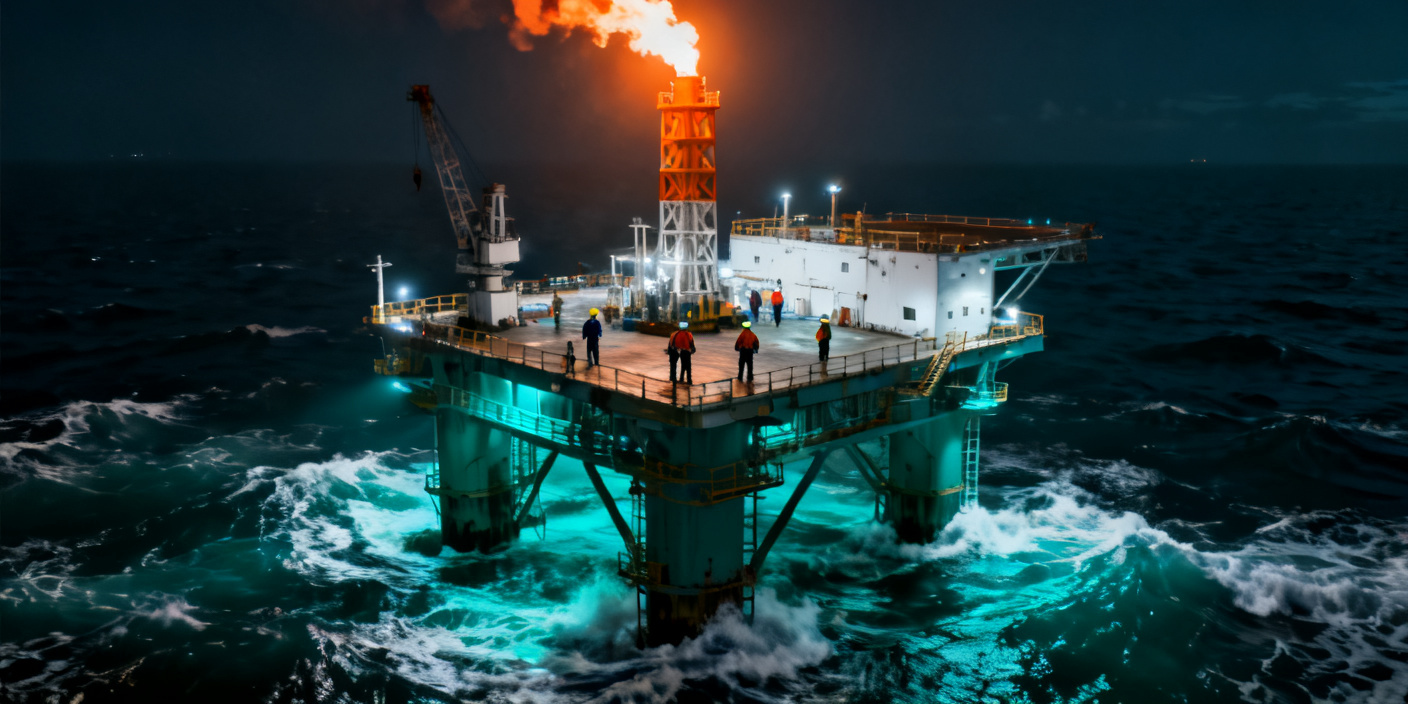

Oil & Gas Hero Banner - Offshore drilling rig at night
Fatality rate vs. US national average
$150K+
Average offshore medevac cost per event
110 mi
Average distance to nearest trauma center from Permian pad site
60%
Of fatal oilfield incidents occur on night tour
⚠️
Oil and gas extraction workers have the highest occupational fatality rate of any major US industry — 7 times the national average. The majority of serious incidents happen on night tour, at remote pad sites, and on offshore rigs where no occupational health coverage exists. HealthcareLive provides 24/7 board-certified occupational health access for every shift, every basin, every rig.
OSHA & BLS Data
Trusted by Industrial Employers Across America's Energy Sector
Caterpillar
Bobcat
Volvo
Energizer
Comfort Systems USA
Unilever
The Problem Oil & Gas Employers Face

The Most Dangerous Workforce in America Has the Least Occupational Health Coverage in the Field.

When a roughneck gets struck by a tong on the rig floor at 2am in the Permian Basin, the company man on location has to make clinical decisions he was never trained to make: Is this a medevac-level event? Can this worker be moved? Is this spinal or just a soft tissue injury? Should we wait for morning or call 911 now? Every wrong answer carries legal, clinical, and human consequences that follow the employer for years.

When a driller in the Haynesville hits an H&sub2;S pocket at 4am on a sour gas well, the rig medic may or may not be on duty. The crew evacuates, someone collapses near the wellbore, and the nearest hospital with toxicology capability is 90 miles away. The antidote decision, the decontamination decision, and the transport priority decision all need to happen in the next four minutes — not when someone finally gets the safety manager on the phone.

Offshore, the problem is compounded by cost and distance. A platform medic can manage routine injuries, but when a mechanic sustains a serious chemical burn during a turnaround and the closest shore facility is 100 miles by helicopter, the decision of whether to evacuate costs $150,000+. That medevac decision needs to be made clinically — not by default.

🛢️ The Central Gap
"The oil and gas industry has the highest fatality rate, the most remote job sites, and the most time-sensitive occupational health events of any US industry. And most operators have no clinical coverage that reaches field crews when the incidents actually happen — on night tour, at 3am, 110 miles from the nearest trauma center."
💀
Higher fatality rate than US average
Oil and gas extraction consistently ranks as the deadliest major industry in the US. The primary killers: struck-by, vehicle accidents on oilfield roads, well control events, and H&sub2;S exposure — all of which require immediate clinical guidance.
🚨
60%
Of serious incidents occur on night tour
Night-tour drilling crews face the highest serious incident rate, the farthest distance from any clinical resource, and the least supervisory oversight of any operational period. Night-tour incidents also have the longest delay to definitive care — on average, 2.4x longer than day-shift incidents.
💸
$150K+
Average offshore medevac cost per event
Offshore medevac decisions made by default — "we don't know what else to do, so we fly them in" — cost operators $150,000 to $400,000 per event. HealthcareLive's physicians make that determination clinically, every time, before the helicopter is called.
🛣️
110 mi
Avg distance to trauma center from Permian pad
Most active drilling in the Permian Basin, Bakken, Eagle Ford, and DJ Basin occurs at locations where the nearest Level I or Level II trauma center is 60 to 150+ miles away. At highway speed, that's a 75-minute to 2.5-hour transport window without any clinical guidance during transit.
📊
$48K
Average workers' comp claim in oil & gas
Oil and gas WC claims are among the most expensive in any industry because injuries are severe, distances extend claim duration, and oilfield services workers often lack the occ health infrastructure that large operators take for granted. Immediate triage cuts that duration significantly.
Two Different Working Environments. One Common Problem.

Whether Your Crew Is on a Pad in West Texas or a Platform in the Gulf — No Clinical Coverage After Hours.
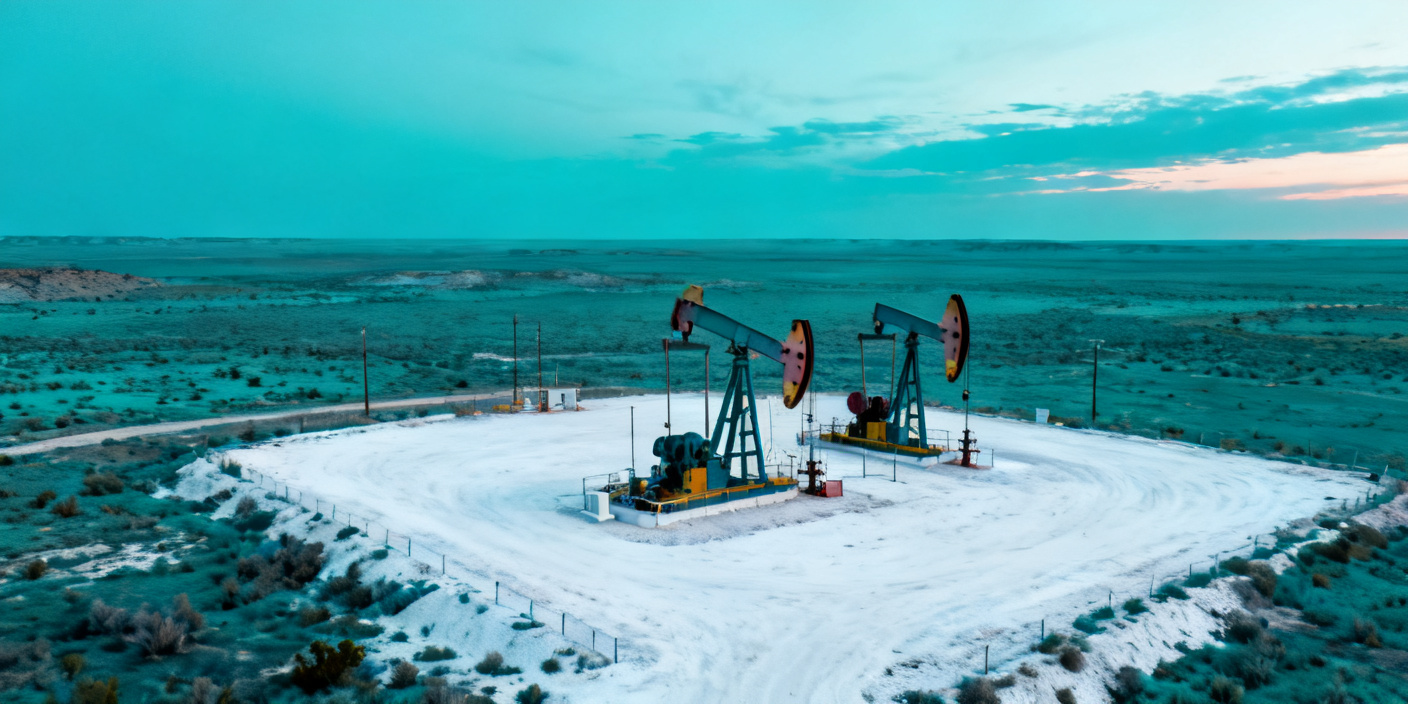
Onshore Oil Field Photo
🧱 Onshore Oil Fields
Remote Pad Sites. Night Tour. No Coverage.
Permian Basin, Bakken, Eagle Ford, Haynesville, DJ Basin, Marcellus — onshore drilling operates 24/7 at remote pad sites with 12-hour rotating shifts. The night-tour crew works in darkness, often in extreme heat or cold, far from any clinic and with minimal direct oversight.
  • ⚠️Average 110+ miles to nearest trauma center in major basins
  • ⚠️Night tour: no safety manager, no occ health, no clinical guidance
  • ⚠️H&sub2;S in sour gas formations kills within seconds
  • ⚠️Oilfield service crews often have no employer occ health program
  • ⚠️Extreme heat (Texas summer) and cold (Bakken winter) incidents
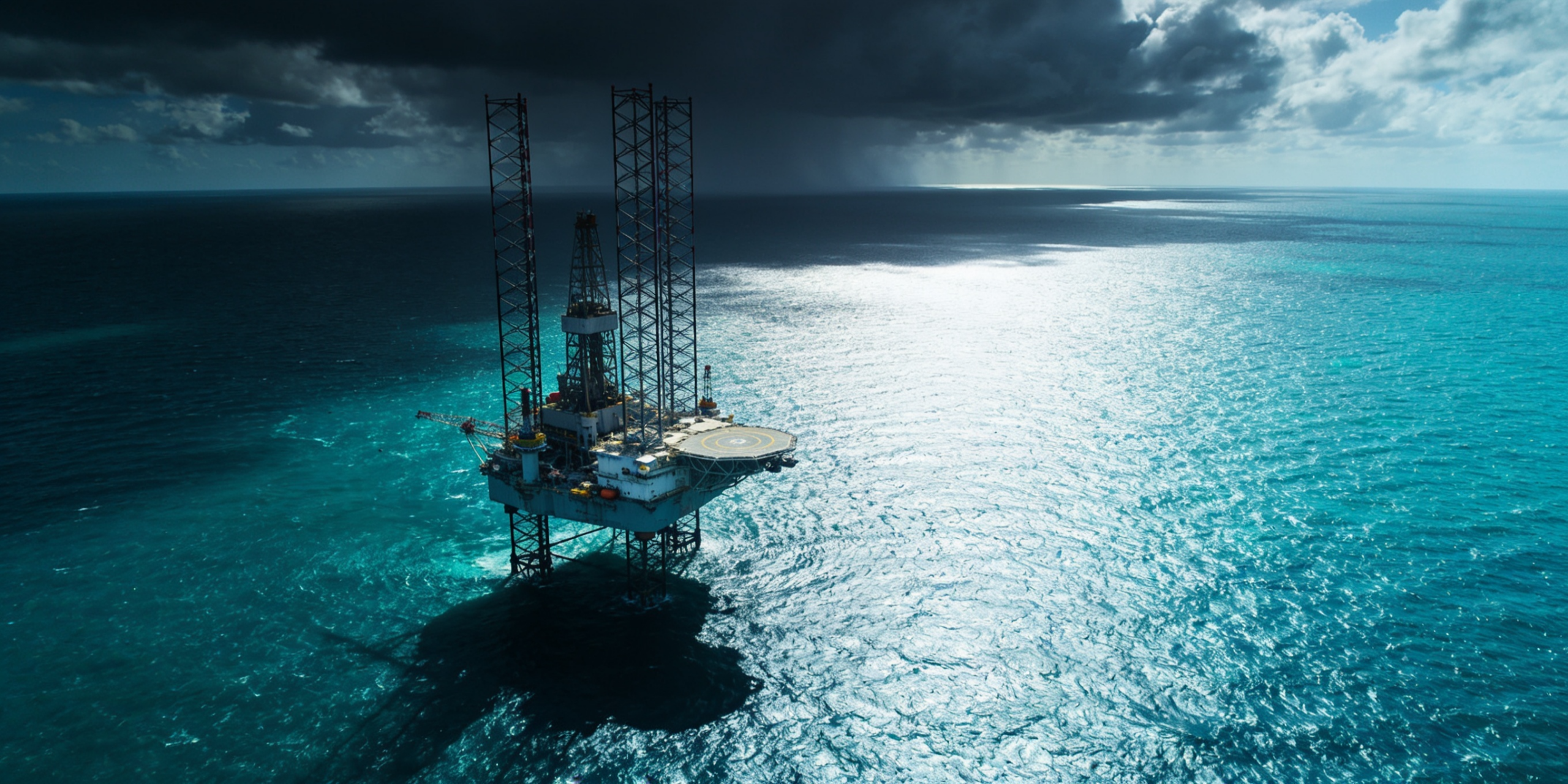
Offshore Rig Photo
🌊 Offshore Rigs & Platforms
Platform Medic. $150K Medevac. One Clinical Decision.
Gulf of Mexico jackup rigs, semisubmersibles, drillships, and production platforms operate 100+ miles offshore. Platform medics handle routine care — but when an injury exceeds their training, the next call is either a HealthcareLive physician or a medevac helicopter.
  • ⚠️Medevac decisions made by default cost $150K–$400K per event
  • ⚠️Platform medic scope limited — complex injuries need specialist guidance
  • ⚠️Helicopter transport in bad weather creates secondary risk
  • ⚠️Chemical exposure events on production platforms need immediate occ med
  • ⚠️BSEE incident reporting requirements are time-sensitive
🚁 HealthcareLive makes the medevac call clinically — not by default. Avg savings: $85,000 per avoided unnecessary medevac.
☣️ The Silent Killer
H&sub2;S — Hydrogen Sulfide — Kills in Seconds at High Concentrations. Your Crew Needs a Physician Decision in Minutes — Not Hours.
Sour gas wells in the Haynesville, Permian, Eagle Ford, and Midcontinent produce hydrogen sulfide — a colorless gas that smells like rotten eggs at low concentrations and causes instant collapse and death at concentrations above 300 ppm. Crews working sour wells wear H&sub2;S monitors, but when a pocket hits and the alarm sounds, the emergency response decisions happen in real time, in the dark, with workers who may already be incapacitated.
The medical response to H&sub2;S exposure is specific and time-sensitive: hydroxocobalamin or amyl nitrite antidote decision, decontamination protocol before transport, respiratory monitoring sequence, and the critical determination of whether the exposed worker is stable enough to transport or needs on-site stabilization first. A general dispatcher or a drive-through urgent care provider doesn't have this protocol. HealthcareLive's physicians do.
HealthcareLive H&sub2;S Protocol
Physician on line in <5 min → Concentration & exposure assessment → Antidote decision (hydroxocobalamin if indicated) → Decontamination protocol → Transport priority determination → Receiving facility notification → OSHA exposure record completed
H&sub2;S Toxicity Scale (ppm)
0.01–1
Detectable odor (rotten eggs)
20–50
Eye & respiratory irritation
50–150
Olfactory fatigue — can't smell it anymore
150–300
Pulmonary edema & collapse
300+
Immediate collapse. Death within minutes.
⚠️ OSHA PEL: 20 ppm (ceiling). The antidote decision must happen in the first minutes after exposure — not after a 90-minute drive to the ER.
Six Injury Categories That Define Oil & Gas Worker Risk

Struck-By to Blowout — Every Risk Your Crews Face, Covered 24/7.

Oil and gas injuries are uniquely severe, uniquely remote, and uniquely time-sensitive. Each category requires specialized occupational medicine expertise — not a general urgent care provider who has never evaluated a rig floor struck-by or an H&sub2;S inhalation event.

🚧
#1 Cause of Oilfield Fatalities
Struck-By & Caught-Between
The rig floor is one of the most mechanically dangerous work environments in any industry. Tongs, elevators, traveling blocks, rotary tables, and pipe stands all create struck-by and caught-between hazards that produce some of the most severe traumatic injuries in occupational medicine. A worker struck by a traveling block or caught in the rotary table may have crush injuries, traumatic amputations, or internal trauma that require immediate assessment to determine stabilization priorities, spinal precautions, and transport decisions. HealthcareLive's emergency medicine team guides the on-site crew through the critical first minutes of every serious rig floor event.
HealthcareLive Response
Emergency physician <5 min → Trauma assessment → Stabilization priorities → Spinal precaution guidance → Transport decision → Receiving facility notification → OSHA 301 initiated
🔥
Well Control & Blowout
Fire, Explosion & Well Control Events
Well control events, blowouts, and gas ignition events create burn injuries, blast trauma, and inhalation injuries simultaneously in workers who may be distributed across the rig floor, the doghouse, and the pipe deck. Multi-casualty events on remote pad sites or offshore platforms require clinical triage priority-setting that no company man was trained to do. Who gets transported first? Who can wait? Who needs airway management before transport? HealthcareLive's emergency physicians lead the on-site response team through multi-casualty triage in real time.
HealthcareLive Response
Mass casualty triage → Burn severity assessment → Blast injury evaluation → Transport priority by severity → Multiple receiving facilities coordinated → BSEE/OSHA reporting initiated
☣️
Kills in Seconds Above 300 ppm
H&sub2;S & Chemical Exposure
Hydrogen sulfide from sour gas formations, BTEX compounds from crude oil vapors, stimulation chemicals used in well completions, and hydrocarbon inhalation events all require exposure-specific occupational medicine response. H&sub2;S events are the most time-critical occupational medicine emergency in oil and gas — the antidote decision must be made within minutes, decontamination must precede transport, and the clinical assessment of exposure severity determines whether the worker is stable for ground transport or requires immediate air medevac.
HealthcareLive Response
H&sub2;S-specific physician protocol → Antidote decision → Decontamination sequence → Severity assessment → Transport priority → OSHA exposure record → Follow-up monitoring schedule
🚛
Leading Cause of Fatalities Off-Rig
Motor Vehicle Accidents on Oilfield Roads
Motor vehicle accidents on oilfield lease roads, county roads, and rural highways account for the highest number of off-rig fatalities in the oil and gas industry. Fatigued workers driving back to town after a 12-hour night tour on unpaved caliche roads face crash rates far above the national average. When an accident occurs 60 miles from the nearest hospital on a road with no cell coverage except at specific high points, the injured worker's survival depends on clinical guidance reaching the crew chief before they make the wrong decision about moving an injured driver with an unknown spinal status.
HealthcareLive Response
Emergency trauma physician → Spinal precaution guidance → Multi-system injury assessment → Do not move vs. stabilize decision → 911 coordination → Receiving facility notification
🪴
Highest Frequency
Musculoskeletal & Manual Handling Injuries
Beyond the high-severity events, the highest-frequency injury category in oil and gas is musculoskeletal — back strains from manual pipe handling, shoulder injuries from tong work, knee injuries from climbing and descending rig structures in heavy PPE, and hand and wrist injuries from tool-intensive operations. These injuries are chronically undertreated in oilfield settings because workers don't want to shut down a well for a back strain, and the nearest clinic is two hours round-trip. HealthcareLive's orthopedic physicians evaluate the injury, issue modified duty documentation, and prevent the two-week strain from becoming a three-month WC claim.
HealthcareLive Response
Orthopedic triage → First aid vs. medical treatment determination → Modified duty plan → Virtual PT if indicated → OSHA determination → RTW tracking in employer dashboard
🚢
Offshore & Saturation Diving
Offshore-Specific & Diving Injuries
Offshore platforms create a cluster of unique occupational medicine challenges: decompression illness in saturation and surface supply divers, crane and lifting gear crush injuries on the pipe deck, chemical exposure during topside processing turnarounds, and the environmental hazards of working over open water in storm conditions. Decompression illness (DCS) is a diving medicine emergency requiring immediate hyperbaric oxygen assessment, and the decision of whether a symptomatic diver needs emergency decompression or can tolerate surface oxygen treatment requires a physician with specific diving medicine training — training HealthcareLive's offshore-experienced physicians carry.
HealthcareLive Response
Offshore-experienced physician → DCS assessment → Hyperbaric referral decision → Medevac vs. surface O&sub2; determination → BSEE documentation → Platform medic guidance
How HealthcareLive Covers Oil & Gas Operations

From the Permian to the GOM — One Number, Any Rig, Any Shift, Under 5 Minutes.

The occupational health coverage your drilling crews need doesn't require a clinic in every remote basin county or a platform medic upgrade on every jackup. It requires a platform that reaches your crews wherever they're working, with the clinical expertise specific to oilfield injury types, available 24 hours a day on any device with cell signal.

HealthcareLive's oil and gas-experienced physicians understand the difference between a traveling block struck-by and a routine back strain, between a routine H&sub2;S monitor alarm and a true high-concentration exposure event. They speak the language of the rig floor — they know what a kelly bushing is, what a well kick sounds like, and what the driller needs to hear in the first 60 seconds of a call.

1
Incident on Any Rig, Any Basin, Any Tour
Company man, driller, or worker calls HealthcareLive from any device with signal — a satellite phone on a remote pad, a cell on a jackup, or a rig computer on a platform. One number. No wrong door.
→ Immediate connection, 24/7/365
2
Oilfield-Experienced Physician on the Line
Board-certified emergency medicine or occupational medicine physician joins the call. They understand rig operations, oilfield injury patterns, H&sub2;S protocols, and offshore medevac decision criteria. Not a general triage nurse reading from a script.
→ Under 5 minutes from first call
3
Real-Time Clinical Guidance Through the Event
Physician guides the company man or driller through assessment, stabilization, and decision-making in real time — including medevac determination for offshore, transport priority for multi-casualty events, and antidote decision for H&sub2;S exposures.
→ Continuous guidance until handoff to definitive care
4
OSHA, BSEE & Documentation Complete
OSHA 301, BSEE incident reports, work-relatedness determination, and any required exposure records are completed and in the employer dashboard before the rig resumes operations. No paperwork delay. No safety manager catch-up on Monday.
→ Same-incident documentation
📍 Active Basins & Offshore Areas We Cover
🏜️Permian Basin
Onshore
Most active drilling basin in the US. Remote Midland/Delaware sub-basin pad sites often 90–150 miles from any Level I trauma center. Extreme summer heat. 24/7 drilling operations.
Struck-by MSK Heat illness MVA
🌰Haynesville / Eagle Ford
Sour Gas — H&sub2;S Risk
High H&sub2;S content in many formations. Sour gas wells require continuous H&sub2;S monitoring and immediate exposure response capability. Eagle Ford summer heat adds secondary risk layer.
H&sub2;S exposure Well control Heat illness
☃️Bakken / Williston
Extreme Cold
North Dakota winter operations at -30°F and below create cold stress, frostbite, and hypothermia risk for field crews. Remote locations with limited winter road access compound transport challenges.
Cold stress Hypothermia MVA (ice roads) Struck-by
🌊Gulf of Mexico
Offshore
Jackup rigs, semisubmersibles, drillships, and production platforms in the GOM. Medevac decisions, diving medicine, and offshore-specific injury types require physician expertise in maritime and offshore medicine.
Medevac decisions DCS / diving Chemical exposure BSEE reporting
⚰️Appalachian / Marcellus
Onshore
Pennsylvania, West Virginia, and Ohio natural gas operations with terrain-driven access challenges. Mountain roads with limited emergency access add transport complexity to any serious incident.
Terrain MVA MSK Gas exposure
HealthcareLive for Oil & Gas

Every Occupational Health Service Your Drilling Operations Need — From Pad Site to Platform.

🚨
Most Critical for Oil & Gas
Remote Emergency Response & Rig Triage
24/7 emergency and occupational medicine coverage for struck-by events, H&sub2;S exposures, well control injuries, and all acute incidents — wherever your rigs are operating. Oilfield-experienced physicians who understand the rig floor, the toolpusher's perspective, and the BSEE reporting requirements. Physician on the line in under 5 minutes.
Remote Injury Care →
💸
Highest Frequency / Highest Cost
MSK Injury Triage & WC Management
Board-certified orthopedic physician evaluation for the back strains, shoulder injuries, and manual handling claims that account for the highest volume of WC costs in oilfield operations. Same-shift modified duty documentation. Virtual PT coordination. Prevents the two-week strain from becoming the three-month claim.
Remote Injury Care →
🔬
DOT & Company Policy
Drug & Alcohol Testing
DOT-compliant post-incident, reasonable suspicion, pre-employment, and random drug and alcohol testing for oilfield operations with DOT-regulated vehicles and PHMSA pipeline requirements. SAMHSA-certified testing, digital chain of custody, rapid results. Integrated with the same platform managing your incident response.
Drug Screening →
📊
Regulatory Compliance
OSHA & BSEE Documentation
Real-time OSHA 300/301 documentation, BSEE incident report templates, and exposure records generated automatically from physician-completed triage records. Injury frequency trend reports by basin, by rig, by service type. EHS Directors get the data to address patterns before they become fatalities.
Employer Dashboard →
🏋️
Prevention
Stretch & Flex for Oilfield Crews
Role-specific pre-shift conditioning programs designed to reduce the back strains, shoulder overuse injuries, and repetitive motion disorders from pipe handling, tong work, and manual operations. 7-10 minute sessions on any device, before the tour starts. Clinical evidence shows 30-50% MSK injury frequency reduction in heavy industry programs.
Stretch & Flex →
🧠
Field & Corporate Workforce
Behavioral Health & EAP
24/7 behavioral health access for oilfield workers facing occupational stress, post-incident trauma, addiction, and mental health challenges. Oilfield work is physically and psychologically demanding — remote locations, long rotations away from family, and exposure to serious incidents create significant behavioral health burden. Same-shift access, no 30-day wait list.
Behavioral Health →
Case Study
How a Permian Basin E&P Operator Reduced Workers' Comp Costs by 39% and Eliminated Night-Tour Coverage Gaps Across 14 Active Rigs
An independent E&P operator running 14 active rigs in the Permian Basin Delaware sub-basin had a persistent occupational health problem: 87% of their serious incidents were occurring on night tour, when their safety department was unreachable and the nearest occ health clinic was 95 miles away in Midland. Workers were either driving 190-mile round trips for treatment (arriving 3am, waiting until the clinic opened) or pushing through injuries until they became WC claims that started weeks after the injury event.
HealthcareLive deployed across all 14 rigs in 18 days. Every company man, every driller, and every toolpusher had the number and the training. Within the first 90 days, the platform managed 31 night-tour incidents that would previously have been deferred until morning or driven to the Midland ER by default.
−39%
Total WC costs, 12 months post-deployment
−71%
ER utilization for oilfield incidents
18 days
Deployment time across 14 active rigs
31
Night-tour incidents managed without ER in first 90 days
Night tour was where we had zero visibility and zero control. A company man would handle an injury the best he could, and I'd find out Monday morning that someone had driven to the Midland ER at 2am for a back strain that should have been evaluated on location. We were paying ER copays, building WC claims, and losing two days of work per incident just in transit time. HealthcareLive fixed that completely. Our company men call it before they do anything else now — and the physician usually has a modified duty plan issued before the guy even finishes his shift.
RC
Ryan C.
VP of Operations, Independent E&P Operator — Permian Basin
🛢️ Oil & Gas — 14 Active Rigs, Delaware Sub-Basin
Every Segment of the Oil & Gas Industry

Upstream, Midstream, Offshore, Services — One Platform for the Entire Oil & Gas Workforce.

🏜️
Upstream E&P Operators
Exploration and production companies operating drilling rigs, completions crews, and production facilities across onshore and offshore assets. From the supermajors to the independent operators running 2-rig programs, HealthcareLive provides the same-shift occupational health coverage that corporate safety programs can't deliver to remote field locations.
DrillingCompletionsProduction opsRemote pads
🔧
Oilfield Services Companies
Wireline crews, hydraulic fracturing fleets, cementing crews, coiled tubing units, well testing, and fishing and rental tool operations. Oilfield services companies often have the least occupational health infrastructure of any oil and gas segment — and their crews work across multiple operators' locations with no consistent coverage. HealthcareLive is the first platform that actually reaches oilfield services workers.
WirelineFracking crewsCementingCoil tubing
🌊
Offshore Operators & Drilling Contractors
Offshore drilling contractors (jackup rigs, semisubmersibles, drillships), production platform operators, and FPSO vessels operating in the Gulf of Mexico, North Sea, and international offshore regions. HealthcareLive supplements platform medics with 24/7 physician access, making medevac decisions clinical rather than default, and handling the complex offshore injury types that platform medics aren't trained to manage.
Medevac decisionsPlatform medic supportBSEE compliance
🛣️
Midstream & Pipeline
Gathering system operators, intrastate pipeline companies, compressor station crews, and natural gas processing plant workers. Midstream operations run 24/7 at remote locations with unique hazards including high-pressure gas, H&sub2;S in raw gas streams, and rotating equipment exposures. PHMSA compliance requirements add regulatory complexity to every serious incident.
H&sub2;S exposureHigh-pressure gasPHMSA compliance
🏭
Refineries & Petrochemical Plants
Refinery turnarounds, maintenance operations, and routine production at petroleum refining and petrochemical facilities create a high-volume, complex occupational health need. Hydrofluoric acid (HF acid), hydrogen sulfide, and hydrocarbon streams create severe chemical exposure hazards. Contractor-heavy turnaround workforces with limited occupational health access are particularly vulnerable.
HF acid exposureTurnaround safetyChemical burns
🚚
Oilfield Transportation & Logistics
Water haulers, crude oil tanker trucks, sand hauling for completions, and oilfield equipment transport companies whose drivers log more miles on unpaved lease roads per shift than most long-haul drivers log in a week. Motor vehicle accidents on oilfield roads are the leading off-rig cause of oilfield fatalities. DOT compliance adds regulatory complexity to every post-incident response.
DOT complianceRoad MVARemote transport
Talk to Our Oil & Gas Team

Your Drilling Crews Work in the Most Dangerous Conditions in America. Get Them the Coverage They Deserve — Before the Next Night-Tour Incident.

HealthcareLive's oil and gas team works specifically with E&P operators, oilfield services companies, and offshore drilling contractors to build occupational health coverage programs that actually reach field crews — at the rig, on night tour, in the basins where you operate.

We'll build the demo around your operation: your active basins, your rig count, your primary injury types, and your current coverage gap. We'll walk you through exactly how HealthcareLive handles your most common after-hours incident type — from the first call to the OSHA 301 being completed.

Night-tour rig incident response demonstration
H&sub2;S exposure protocol walkthrough
Workers' comp cost reduction modeling for your rig count
Offshore medevac decision support demonstration
Full deployment across active rigs in <21 days
Get an Oil & Gas Demo
Tell us about your operation and we'll build the walkthrough around your rigs, your basins, and your injury profile.

We respond to every request within one business day. Your information is never shared with third parties.
From the Permian to the Gulf

Your Night-Tour Crews Deserve a Physician on the Line in 5 Minutes — Not a 110-Mile Drive to the Nearest ER.

HealthcareLive delivers board-certified occupational medicine to oilfield crews wherever they're drilling — remote pad sites in the Permian, jackup rigs in the Gulf, fracking fleets in the Eagle Ford. 24/7, no on-call fees, under 5 minutes. Because waiting until morning was never a clinical protocol.

Trusted by Oil & Gas Employers Across All Major US Basins · HIPAA Compliant · SOC 2 Type II · 24/7 No On-Call Fees
Scroll to Top