
Same-Shift Injury Care on the Production Floor: Why the First 30 Minutes Decide the Claim
What happens in the first 30 minutes after a production-floor injury shapes the entire claim: its cost, its duration, and […]

What happens in the first 30 minutes after a production-floor injury shapes the entire claim: its cost, its duration, and […]
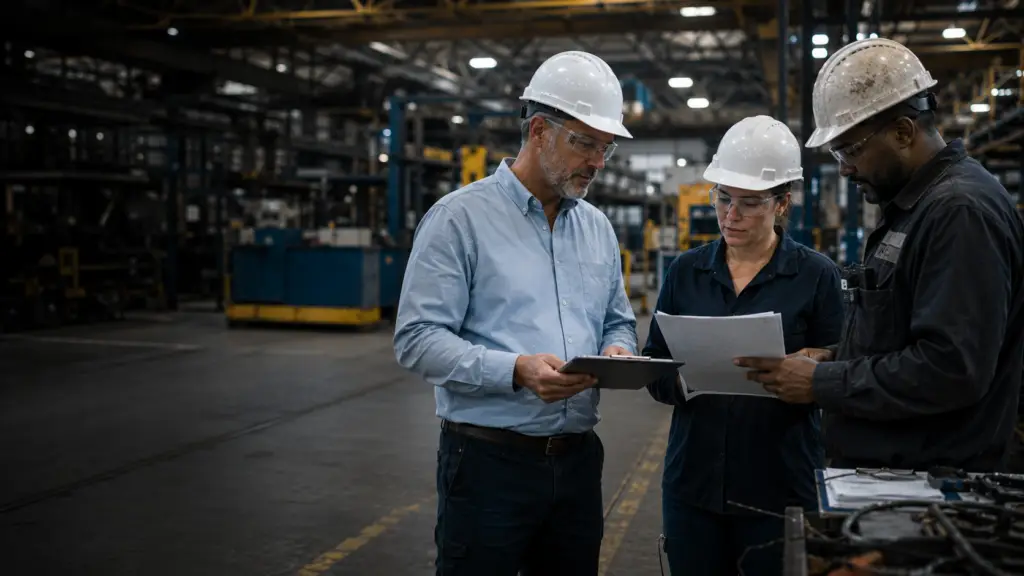
Reducing EMR is one of the highest-return financial moves a manufacturer can make, because the experience mod multiplies every premium dollar and, in many sectors, decides which contracts you can bid. Two plants doing identical work with different mods pay very different premiums. The good news: most of the levers are within your control, and several work faster than employers expect. Here is the practical, sequenced playbook.
Reducing EMR in a Manufacturing Operation: A Practical Playbook Read Post »
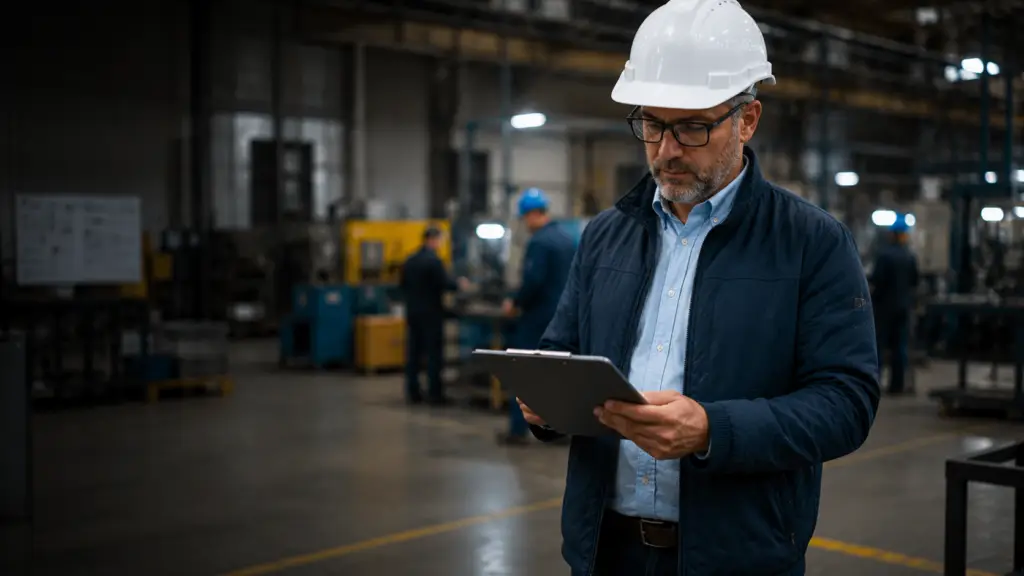
Manufacturing workers’ comp costs are not random, and that is the most useful thing to know about them. The spend concentrates in a predictable handful of injury types, then multiplies through a layer of indirect costs that never appears on the insurance invoice. National work injury costs hit $181.4 billion in 2024, and manufacturing carries a heavy share. Here is where the money actually goes, and the levers that bring it down.
Manufacturing Workers’ Comp Cost Drivers: Where Your Spend Actually Goes Read Post »
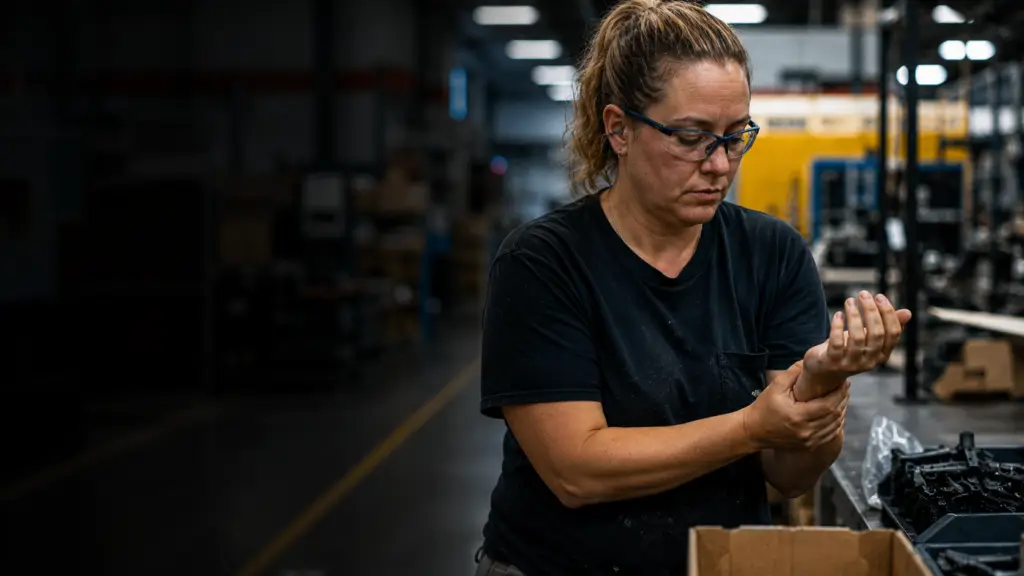
Cumulative trauma is the injury you never see coming, because it does not happen in a single moment. Repetitive strain builds up slowly, over months and years of the same motion, until a worker can no longer grip a tool or sleep through the night. The slow onset hides a sharp edge: these injuries keep workers out longer than an amputation and quietly inflate your experience mod. Here is why, and how to stop them.
Repetitive Strain and Cumulative Trauma: The Slow-Motion Injury That Inflates Your Mod Read Post »
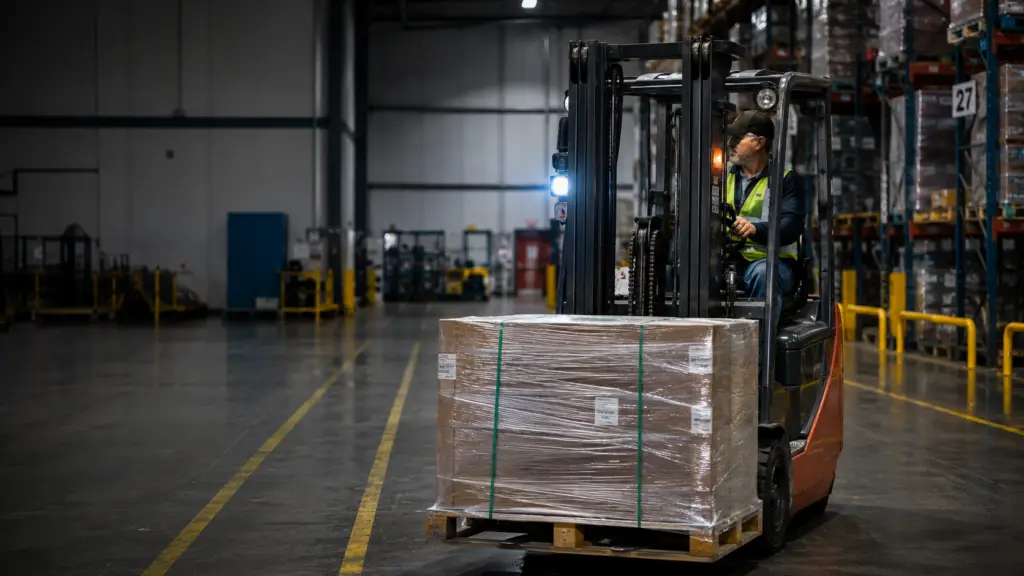
Forklift safety is one of the highest-stakes issues on any plant floor, because a forklift is a multi-ton machine in constant motion through spaces full of people. It looks routine, which is exactly why it gets treated casually. In 2024, 84 workers died in forklift-related incidents, and OSHA’s most-cited violations cluster around one thing: training. Here is what the standard requires, the citations to avoid, and what a forklift injury really cost
Powered Industrial Truck Safety: Forklift Training, Citations, and Injury Costs Read Post »
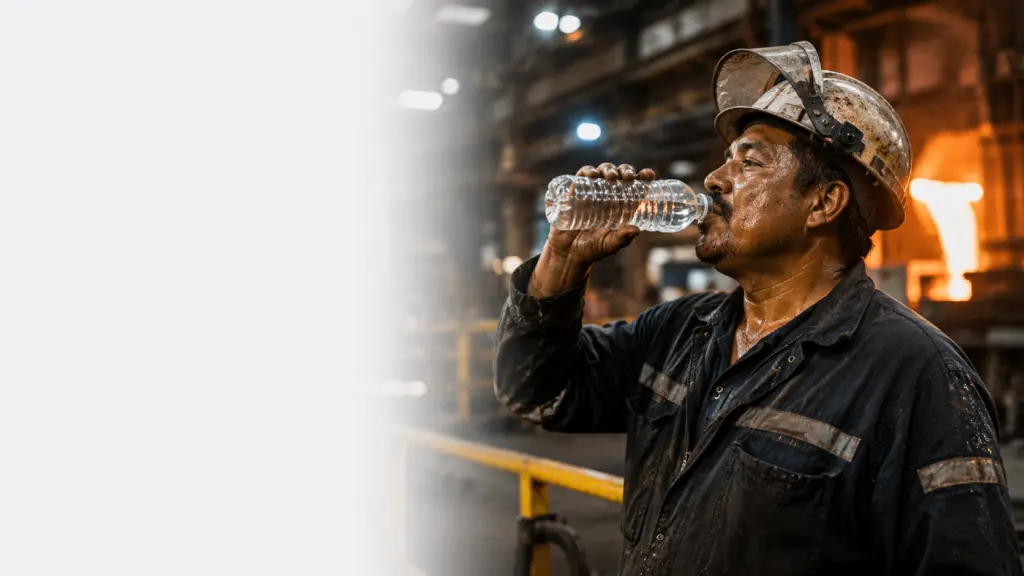
Heat stress is one of the most underestimated hazards on a plant floor, because most people picture heat illness as an outdoor problem. It is not. Foundries, bakeries, plastics plants, and warehouses without air conditioning generate dangerous indoor heat all year. OSHA’s enforcement landscape also shifted in 2026. Here is how to prevent heat stress on the plant floor, where the rules actually stand, and when a heat illness has to go on your log.
Heat Stress on the Plant Floor: Prevention, OSHA’s Emphasis Program, and Recordability Read Post »
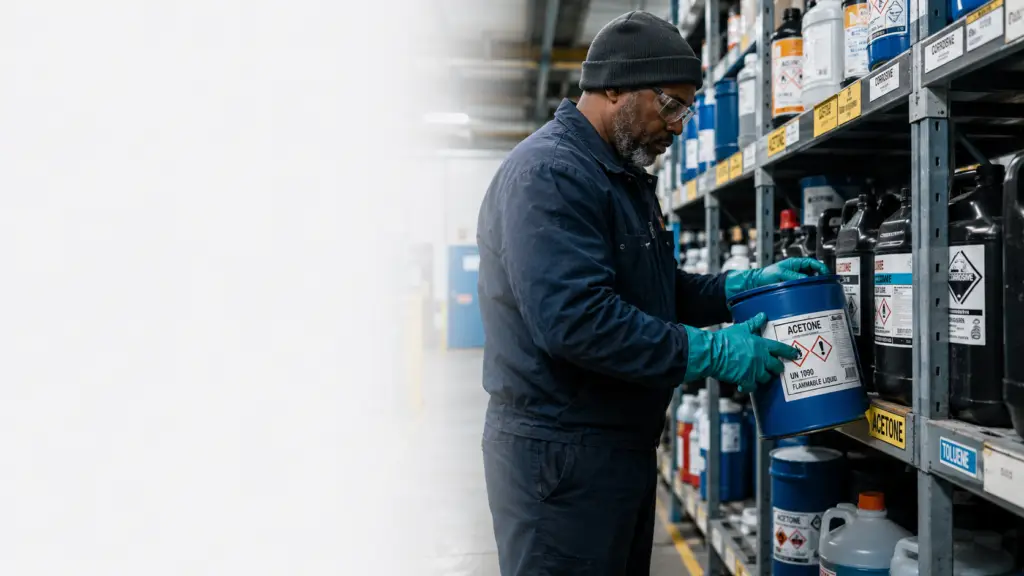
Hazard communication is the OSHA rule behind every chemical label and safety data sheet in your facility, and it is the second most-cited standard in the country. The 2024 update aligned it with a new GHS revision, and the compliance deadlines are landing now. But the paperwork is only half the job; the other half is managing chemical exposure as a real occupational health risk. Here is what the standard requires, what changed, and how to protect workers from the chemicals themselves.
Hazard Communication and Chemical Exposure: Managing the Occupational Health Risk Read Post »
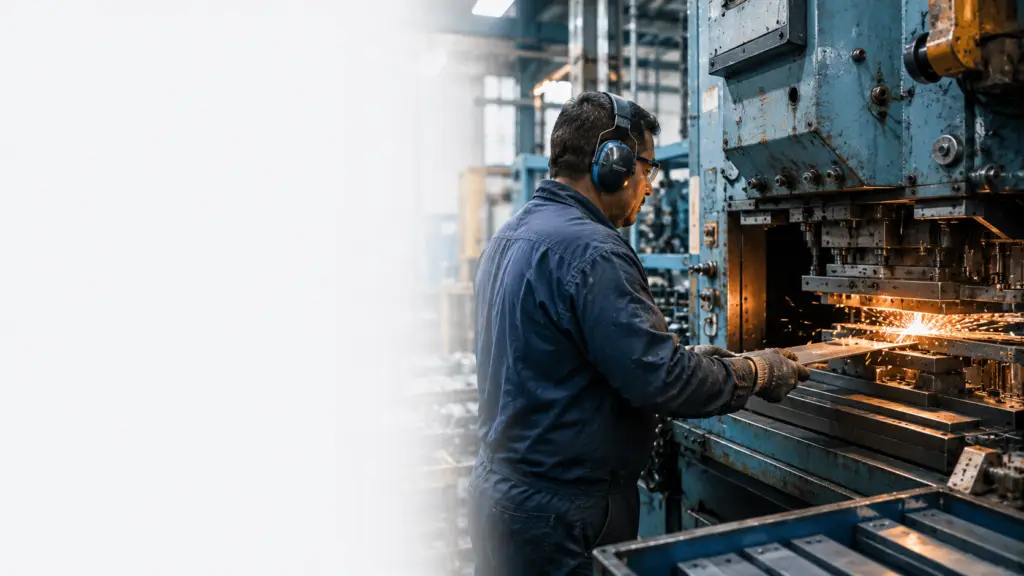
Hearing loss is the injury no one notices happening. It is silent, gradual, and painless, accumulating over years until the ringing never stops and conversations go muffled, and by then it is permanent. Noise-induced hearing loss is one of the most common work-related illnesses, and manufacturing is among the loudest places to work. Here is what OSHA’s noise standard requires, when a hearing shift becomes recordable, and how to run a program that holds up.
Hearing Conservation in Manufacturing: Noise Limits, STS Recordables, and Your Program Read Post »
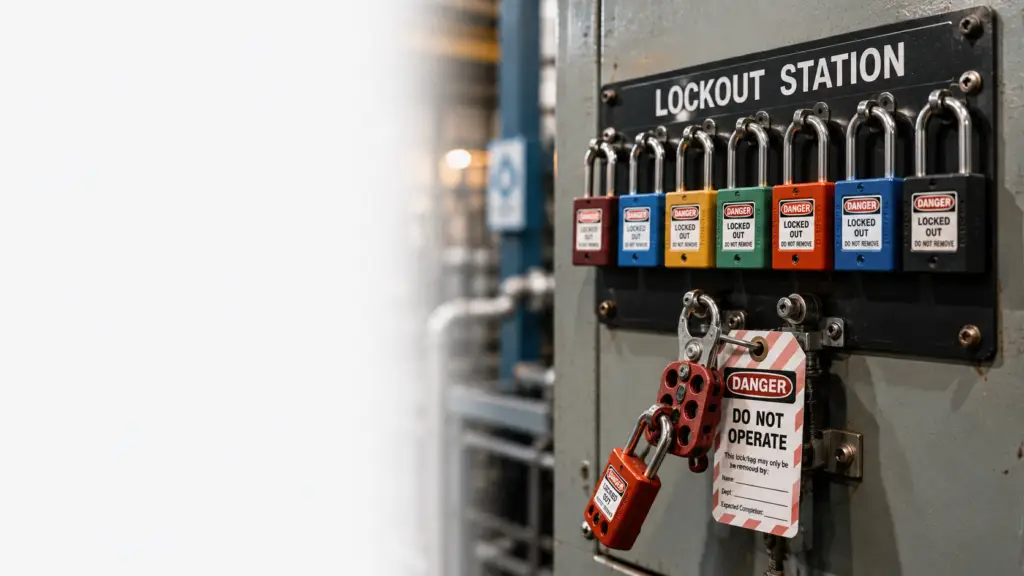
Manufacturing turns dangerous in a specific moment: when a worker reaches into a machine to service it. The guards are off, and if the machine is not fully locked out, an unexpected startup or release of stored energy can amputate, crush, or kill. OSHA estimates lockout/tagout compliance prevents roughly 120 deaths and 50,000 injuries a year, yet it remains the fourth most-cited standard, because most violations are failures to build the program at all. Here is what it requires and how to get it right.
Lockout/Tagout: Compliance, Common Violations, and Injury Prevention Read Post »
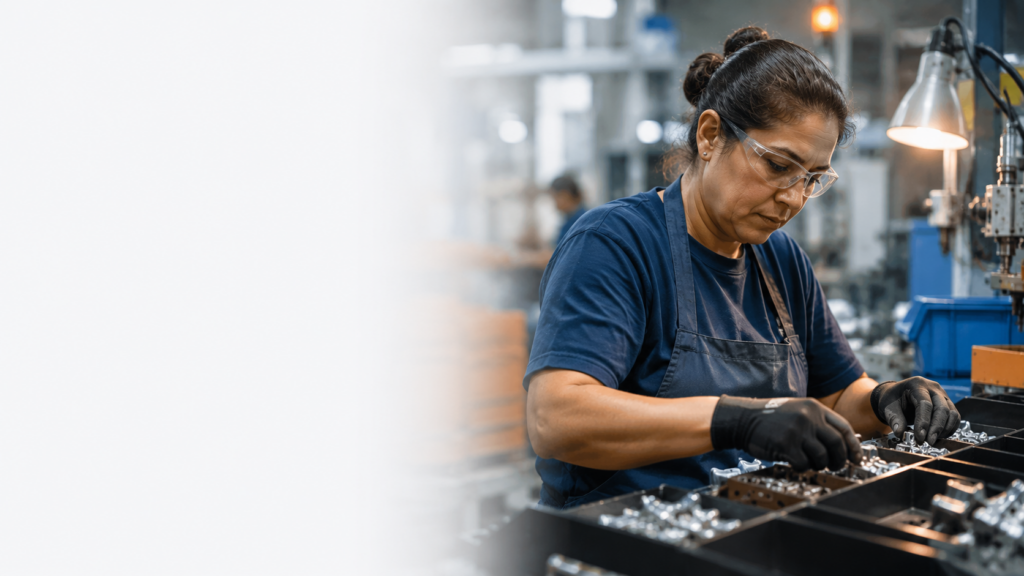
Amputations get the attention, but they are not what drives most of a manufacturer’s workers’ comp spend. The quieter, more expensive majority is musculoskeletal disorders: the strained backs, the inflamed shoulders, the cumulative wear of the same lift and reach thousands of times a shift. MSDs are the single largest category of workplace injury and roughly 30% of all comp cost. On a production line they are also highly preventable. Here is what drives them and how an ergonomics program cuts them.
Ergonomics on the Production Line: Cutting the MSDs That Drive Most Manufacturing Claims Read Post »